Factors That Influence the Cost of Modern Wiring Devices
 lina
lina
Modern wiring devices are essential components of electrical systems in residential, commercial, and industrial environments. They contribute to safe power distribution, efficient energy use, and convenient access to electricity. However, the cost of these devices can vary significantly depending on several factors, including design, materials, safety features, and application requirements. Understanding what influences pricing helps buyers make informed decisions while balancing performance, durability, and budget considerations. Whether selecting switches, sockets, or specialized connection equipment, evaluating the factors behind product costs ensures better value and long-term reliability for electrical installations.
Understanding Modern Wiring Devices
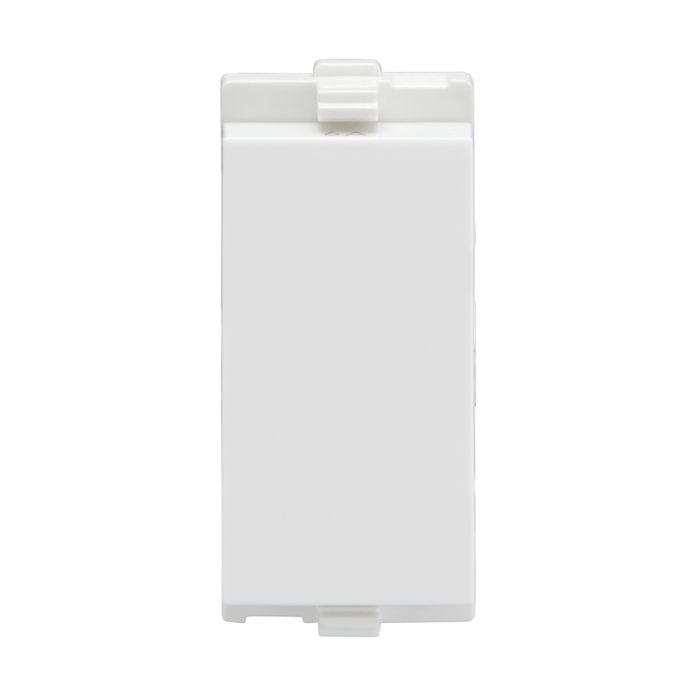
Wiring devices encompass a broad range of electrical components that facilitate the control, distribution, and connection of electrical power. These include switches, sockets, plugs, connectors, and various accessories used across different types of installations.
As electrical infrastructure continues to evolve, wiring devices are becoming more advanced, incorporating improved safety mechanisms, enhanced aesthetics, and greater functionality. These developments contribute to differences in pricing across product categories.
Understanding the elements that affect cost allows consumers, contractors, and facility managers to select products that align with their specific operational needs.
Material Quality and Construction
One of the primary factors affecting the cost of wiring devices is the quality of materials used during manufacturing.
- Conductive Materials
High-quality conductive materials provide efficient electrical performance and lower resistance. Components made from superior conductive materials often have a higher initial cost but deliver better reliability and longevity.
- Housing and Enclosures
The durability of external housing also impacts pricing. Strong materials help protect internal components from physical damage, moisture, dust, and environmental exposure.
- Contact Mechanisms
Well-engineered contact systems ensure consistent electrical connections and reduce wear over time. These features contribute to improved performance and influence product cost.
Devices manufactured with premium materials typically offer a longer service life and reduced maintenance requirements.
Safety Features and Compliance Requirements
Safety remains one of the most important considerations in electrical installations.
- Protection Against Electrical Faults
Modern wiring devices often incorporate advanced safety features designed to reduce risks associated with electrical faults and accidental contact.
- Fire-Resistant Components
Certain devices utilize materials that offer enhanced resistance to heat and fire, increasing overall system safety.
- Regulatory Compliance
Products that comply with stringent safety standards and testing requirements may involve additional manufacturing and certification costs.
As a result, the switch and socket price may vary depending on the level of safety protection and compliance features included in the design.
Design and Aesthetic Considerations
The visual appearance of wiring devices has become increasingly important, especially in residential and commercial applications.
- Modern Finishes
Contemporary designs often feature sleek finishes, refined textures, and premium styling options that can increase manufacturing complexity.
- Customization Options
Products available in multiple colors, finishes, and configurations may command higher prices due to increased production requirements.
- Integration with Interior Design
Architectural and decorative preferences frequently influence purchasing decisions, making design-oriented wiring devices more desirable in certain projects.
These aesthetic enhancements often contribute to variations in the switch and socket price across different product ranges.
Technological Advancements
Technological innovation has significantly transformed the wiring device market.
- Smart Features
Many modern devices include intelligent functionality such as automation capabilities, remote operation, and connectivity features.
- Energy Monitoring
Advanced devices may provide energy usage insights that support efficient power management.
- Enhanced User Convenience
Features such as indicator lights, USB charging options, and touch-sensitive controls improve usability and functionality.
The integration of advanced technologies can increase development and manufacturing costs, which may be reflected in product pricing.
Application-Specific Requirements
The intended application of a wiring device plays a major role in determining its cost.
- Residential Installations
Residential environments typically prioritize aesthetics, convenience, and general-purpose functionality.
- Commercial Facilities
Commercial settings often require products capable of handling higher usage frequencies and more demanding operational conditions.
- Industrial Environments
Industrial facilities demand robust components designed to withstand challenging environments and heavy electrical loads.
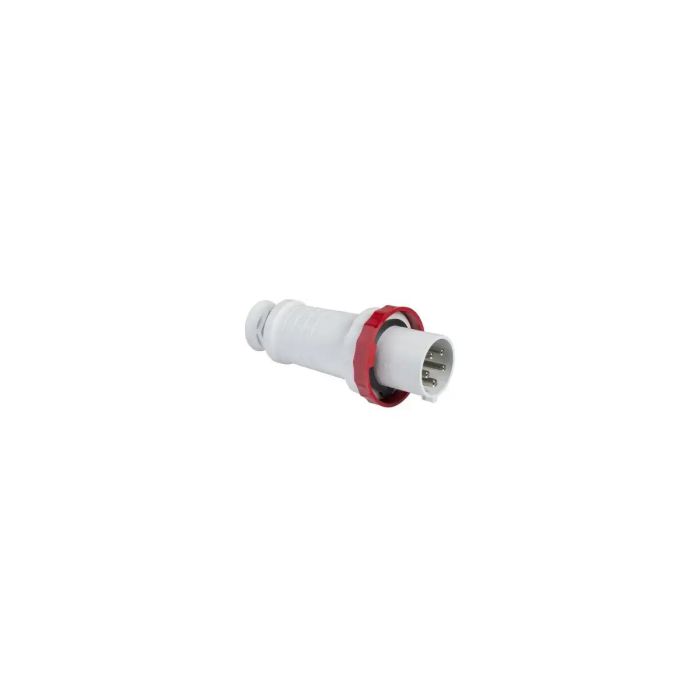
An industrial plug designed for demanding applications generally requires more durable materials and advanced engineering compared to standard connection devices.
Environmental Resistance
Environmental conditions significantly influence the design and cost of wiring devices.
- Moisture Protection
Devices used in wet or outdoor environments require protective features that prevent water ingress.
- Dust Resistance
Dust-proof designs help maintain performance in harsh operating conditions.
- Impact Resistance
Facilities exposed to physical wear and mechanical stress often require reinforced components capable of withstanding repeated impacts.
An industrial plug intended for challenging environments typically includes specialized protective features that contribute to higher manufacturing costs.
Durability and Product Lifespan
Long-term durability is an important consideration when evaluating wiring device costs.
- Mechanical Endurance
Products designed for frequent operation must withstand repeated use without compromising performance.
- Electrical Endurance
Reliable devices maintain stable electrical connections over extended periods of operation.
- Reduced Maintenance Requirements
Durable components often require fewer repairs and replacements, resulting in lower lifecycle costs.
While higher-quality products may involve greater upfront investment, they often provide better long-term value through improved reliability and longevity.
Manufacturing Processes and Quality Control
The complexity of manufacturing processes also affects product pricing.
- Precision Engineering
Advanced production techniques help ensure consistent quality and performance.
- Product Testing
Comprehensive testing procedures verify safety, durability, and operational reliability before products reach the market.
- Quality Assurance Programs
Manufacturers that maintain rigorous quality control standards often incur additional production costs.
These measures contribute to product consistency and customer confidence while influencing overall pricing structures.
Installation and Compatibility Considerations
Ease of installation can also impact the overall cost of wiring devices.
- Modular Designs
Modular systems often simplify installation and future upgrades.
- Compatibility with Existing Infrastructure
Devices designed for seamless integration with various electrical systems may require additional engineering considerations.
- Reduced Labor Costs
Products that support efficient installation can help lower overall project expenses despite potentially higher purchase prices.
Evaluating installation requirements helps buyers assess the true value of a wiring device beyond its initial cost.
Market Demand and Supply Factors
Market conditions also influence wiring device pricing.
- Raw Material Costs
Fluctuations in the prices of metals, plastics, and other manufacturing materials can affect product costs.
- Supply Chain Dynamics
Transportation, logistics, and component availability may impact pricing across product categories.
- Industry Trends
Growing demand for advanced electrical solutions can influence market pricing and product availability.
As market expectations evolve, manufacturers continue to develop innovative products that address changing customer needs.
Evaluating Cost Versus Value
When selecting wiring devices, focusing solely on the purchase price may not provide the most accurate assessment of value.
Important considerations include:
- Product durability
- Safety performance
- Maintenance requirements
- Energy efficiency
- Installation convenience
- Expected service life
For example, the switch and socket price should be evaluated alongside performance characteristics and long-term reliability rather than considering initial cost alone.
Similarly, choosing a high-quality industrial plug can help reduce downtime, improve safety, and support efficient operations over time.
Conclusion
The cost of modern wiring devices is influenced by a wide range of factors, including material quality, safety features, design, technology integration, environmental resistance, and application requirements. Understanding these considerations helps buyers make informed decisions that balance performance, durability, and overall value. While pricing may vary significantly across product categories, selecting reliable and well-engineered solutions often results in greater long-term benefits. With decades of expertise in electrical and automation solutions, Lauritz Knudsen Smartshop continues to support diverse sectors by providing advanced technologies that contribute to safe, efficient, and dependable electrical infrastructure.





















![Top 10 Best Digital Marketing Courses Institute in India – 2026 [Updated]](https://trainwick.com/blogs/uploads/images/2021/12/image_380x226_61b5ea624f712.jpg)