When Is a Root Canal Better Than Tooth Extraction?
 dantaadental
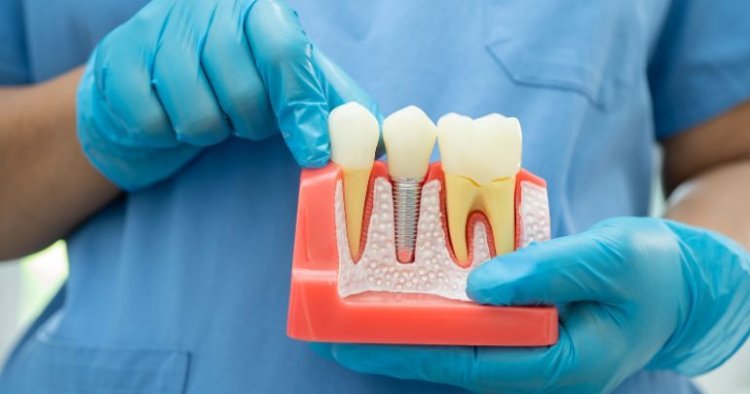
Tooth pain can be stressful, especially when you are unsure whether the damaged tooth should be saved or removed. In many cases, root canal treatment in Chandigarh can be a better option than tooth extraction because it helps preserve your natural tooth while treating infection or deep decay. Instead of removing the tooth completely, a root canal focuses on cleaning the infected inner part of the tooth, sealing it, and restoring its function. For patients who want to maintain their natural smile and chewing ability, root canal treatment can often be the preferred choice.
Many people feel nervous when they hear the words “root canal,” but modern dental care has made the procedure much more comfortable and effective. Tooth extraction may seem like a quick solution, but removing a tooth can sometimes lead to long-term problems such as shifting teeth, chewing difficulty, bone loss, and the need for replacement options like bridges or implants. Understanding when a root canal is better than extraction can help you make a more informed decision for your oral health.
Understanding Root Canal Treatment
A root canal is a dental procedure used to save a tooth that is badly decayed, infected, or damaged from inside. Every tooth has a soft inner tissue called pulp, which contains nerves and blood vessels. When this pulp becomes infected due to deep cavities, cracks, trauma, or repeated dental procedures, it can cause pain, swelling, and sensitivity.
During root canal treatment, the infected pulp is carefully removed. The inside of the tooth is cleaned, disinfected, filled, and sealed. After this, the tooth is usually restored with a dental crown or filling to bring back strength and function.
The main purpose of root canal treatment is to save the natural tooth. When done at the right time, it can stop infection, relieve pain, and help the tooth continue working normally.
What Happens During Tooth Extraction?
Tooth extraction means removing the entire tooth from its socket. It may be recommended when a tooth is too damaged to repair, severely loose due to gum disease, fractured below the gum line, or causing serious infection that cannot be controlled with other treatment.
Extraction may be necessary in some cases, but it is usually considered when saving the tooth is not possible. Once a tooth is removed, the empty space may need to be replaced with a dental implant, bridge, or denture to maintain proper chewing and alignment.
If the gap is left untreated, nearby teeth may slowly shift, bite balance may change, and food may get stuck in the space. This is why dentists often try to save a natural tooth whenever possible.
When Is a Root Canal Better Than Tooth Extraction?
A root canal is often better than extraction when the tooth structure is still strong enough to be restored. If the roots are healthy and the tooth can support a filling or crown, saving it through root canal treatment may be the best option.
Root canal treatment may be recommended in situations such as:
1. The Tooth Can Still Be Saved
If the outer structure of the tooth is not completely broken and enough natural tooth remains, root canal treatment can help save it. A dentist will examine the tooth, take X-rays if needed, and check whether the tooth can be restored after cleaning the infection.
Keeping your natural tooth is usually beneficial because natural teeth are designed to work with your bite, jawbone, and surrounding teeth. Even the best replacement options may not feel exactly like a natural tooth.
2. You Want to Maintain Natural Chewing Function
Natural teeth provide better chewing strength and comfort. When a tooth is removed, especially a back tooth, chewing may become difficult on that side. Over time, this can affect eating habits and bite pressure.
A root canal allows the tooth to remain in place and continue functioning. Once restored with a crown, the treated tooth can often handle normal chewing. This is one reason many patients prefer consulting a root canal specialist in Chandigarh before deciding on extraction.
3. You Want to Avoid Teeth Shifting
When a tooth is extracted and not replaced, nearby teeth may move into the empty space. This can create alignment issues, bite problems, and difficulty cleaning between teeth. Misaligned teeth can also increase the risk of plaque buildup and gum problems.
By choosing root canal treatment, the natural tooth remains in its original position. This helps maintain proper spacing and supports the balance of your bite.
4. The Infection Is Limited to the Pulp
If the infection is mainly inside the tooth pulp and has not severely damaged the surrounding bone or tooth root, root canal treatment can often control the problem. The infected pulp is removed, and the tooth is sealed to prevent further infection.
However, if the infection has spread extensively or the tooth has become unstable, extraction may be considered. A proper dental examination is important to decide the right treatment.
5. You Want to Prevent Bone Loss
Tooth roots help stimulate the jawbone. When a tooth is removed, the bone in that area may slowly shrink due to lack of stimulation. This can affect facial structure and future tooth replacement planning.
Saving the natural tooth through root canal treatment helps keep the tooth root in place, which can support the surrounding bone and gum structure.
6. You Prefer a Long-Term Tooth-Saving Option
A successfully treated root canal tooth can last for many years with proper care. Good oral hygiene, regular dental check-ups, and a proper crown or restoration can protect the tooth from further damage.
Extraction may solve the immediate problem, but it often creates the need for another procedure to replace the missing tooth. For many patients, saving the tooth is more practical and comfortable in the long run.
When Is Tooth Extraction Necessary?
Although root canal treatment is helpful in many cases, extraction may be the better choice when the tooth cannot be saved. This may happen if the tooth is severely fractured, has very little structure left, is extremely loose, or has advanced gum disease affecting its support.
Extraction may also be needed if the infection is too severe and the tooth has poor chances of successful restoration. A dentist will consider your oral health, X-rays, symptoms, and treatment goals before recommending the right option.
Root Canal vs Extraction: Which Is More Painful?
Many patients assume root canal treatment is painful, but the procedure is designed to relieve pain, not cause it. With modern techniques and local anaesthesia, root canal treatment is usually comfortable. The pain people feel often comes from the infection before treatment, not from the procedure itself.
Tooth extraction is also done under anaesthesia, but healing after extraction may involve soreness, swelling, and careful aftercare. Root canal treatment usually allows you to keep the tooth and avoid the healing process of a missing tooth socket.
Why Consulting a Specialist Matters
Choosing between root canal treatment and extraction should not be based only on pain or fear. A detailed diagnosis is necessary. A root canal specialist in Chandigarh can carefully assess whether the infected tooth can be saved and explain the expected outcome.
Specialized care can be helpful for complex cases, such as curved canals, repeated infection, severe sensitivity, or previously treated teeth. Proper diagnosis and treatment planning can increase the chances of saving the tooth successfully.
How to Care for a Root Canal Treated Tooth
After root canal treatment, the tooth needs proper care. In many cases, a crown is recommended to protect the tooth from fracture, especially if it is a back tooth. You should brush twice daily, floss regularly, avoid chewing very hard foods on the treated tooth until fully restored, and visit the dentist for routine check-ups.
Good oral hygiene is important because a root canal treated tooth can still develop decay or gum problems if not cared for properly.
Final Thoughts
A root canal is often better than tooth extraction when the tooth can still be saved, the roots are healthy, and the infection can be treated effectively. It helps preserve your natural tooth, maintain chewing function, prevent teeth shifting, and support long-term oral health.
At Dantaa Dental Clinic, the focus is on helping patients understand their options clearly before making a treatment decision. If you are experiencing tooth pain, swelling, sensitivity, or deep decay, timely dental care can make a big difference. Consulting a root canal specialist in Chandigarh can help determine whether your tooth can be saved with root canal treatment or whether extraction is truly necessary.
FAQs
1. Is root canal treatment better than tooth extraction?
Root canal treatment is often better when the tooth can still be saved. It removes infection while preserving the natural tooth structure. Extraction is usually considered when the tooth is too damaged or unstable to restore.
2. How do I know if I need a root canal or extraction?
A dentist will examine your tooth, check your symptoms, and may take X-rays to understand the level of damage or infection. If enough tooth structure remains and the roots are healthy, root canal treatment may be recommended.
3. Is root canal treatment painful?
Modern root canal treatment is usually comfortable because local anaesthesia is used. The procedure helps remove infected tissue and relieve tooth pain caused by deep decay or infection.
4. What happens if I extract the tooth instead of saving it?
After extraction, the missing tooth space may cause nearby teeth to shift, chewing difficulty, bite imbalance, and possible bone loss. You may also need a replacement option such as an implant, bridge, or denture.