How to Redirect Bees From Fruit Trees Without Pesticides
Learn natural methods to redirect bees from fruit trees without pesticides while protecting pollinators and maintaining a healthy, productive garden ecosystem.
 madeline23
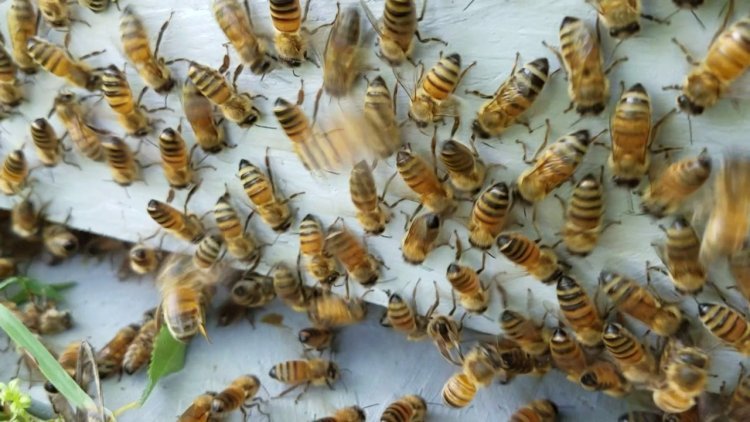
Fruit trees bring beauty, seasonal harvests, and valuable habitat to gardens, yet they also attract important pollinators throughout the growing season. While many homeowners appreciate pollination, they sometimes worry when large numbers of bees gather around ripening fruit or flowering branches. Fortunately, there are humane and environmentally responsible methods that encourage pollinators to move toward more suitable areas without relying on harmful pesticides. By understanding bee behavior and making thoughtful adjustments to the surrounding environment, gardeners can protect both their harvest and the essential insects supporting local ecosystems. Sustainable practices create healthier landscapes while maintaining a safe balance between productive gardens and thriving pollinator populations.
Understanding Why Bees Visit Fruit Trees
Fruit trees naturally attract pollinators because blossoms provide nectar and pollen during the flowering season. These food sources are essential for colony development, making orchards and backyard gardens attractive destinations for foraging insects. During bloom, bees travel efficiently between flowers, helping transfer pollen that allows fruit to develop successfully.
After flowering ends, another attraction may appear. Overripe or damaged fruit releases sweet aromas that continue drawing insects into the area. Cracked peaches, apples, pears, and plums often leak sugary juices, encouraging repeated visits. Although many insects gather around ripe fruit, bees generally arrive because they detect easily accessible carbohydrates needed for energy.
Weather conditions also influence activity levels. Warm, sunny days increase foraging behavior, while cooler temperatures usually reduce movement. Gardens surrounded by flowering shrubs, herbs, or wildflowers naturally experience greater pollinator traffic because they provide continuous food sources throughout the growing season.
Understanding these natural behaviors helps homeowners respond appropriately. Rather than viewing bees as unwanted pests, gardeners can recognize them as beneficial visitors performing an essential ecological service. Redirecting their attention toward alternative food sources proves far more effective than attempting harmful elimination methods.
Natural Ways to Redirect Bees Without Harm
Creating alternative pollinator zones represents one of the most effective methods for reducing bee activity around fruit trees. Planting nectar-rich flowers a reasonable distance from the orchard encourages bees to forage elsewhere while continuing their valuable pollination work. Native wildflowers, lavender, bee balm, salvia, and coneflowers provide abundant nectar that naturally attracts pollinators away from fruit-heavy areas.
Maintaining good garden sanitation also significantly reduces unnecessary insect activity. Fallen fruit should be collected promptly before fermentation begins, as sugary odors attract numerous insects. Harvesting ripe fruit regularly prevents excessive sweetness from developing on branches and minimizes lingering aromas that encourage repeated visits.
Providing dedicated water sources can further redirect bee movement. During hot weather, pollinators actively search for moisture to cool their colonies and remain hydrated. A shallow birdbath filled with clean water and small stones for safe landing areas gives bees a convenient alternative location away from fruit trees.
Garden planning also influences pollinator movement. Planting flowering borders around property edges encourages insects to travel naturally through those areas instead of concentrating directly within the orchard. Layered landscaping with shrubs, ornamental flowers, and native grasses creates attractive corridors supporting healthy pollinator activity.
Sometimes homeowners notice persistent bee gatherings despite careful maintenance. When activity suggests a nearby colony has established itself within structures or hidden spaces, seeking professional advice becomes the safest approach. Experienced specialists from a trusted bee removal service in Mission Viejo can assess the situation, relocate colonies humanely when necessary, and help homeowners preserve both property safety and valuable pollinator populations without unnecessary harm.
Gentle airflow also discourages prolonged hovering near patios or outdoor seating positioned close to fruit trees. Portable fans create moving air that makes flying more difficult for insects while remaining comfortable for people. This simple technique works particularly well during outdoor meals when ripe fruit is present.
Avoiding strong fragrances around orchards also helps minimize unnecessary attraction. Sweet perfumes, scented candles, and heavily fragranced lotions occasionally resemble floral scents that attract foraging bees. Choosing unscented personal products during gardening activities reduces additional sensory signals drawing insects closer.
Maintaining a Healthy Garden While Protecting Pollinators
Long-term success depends upon creating an environment supporting both productive fruit trees and healthy pollinator populations. Regular pruning improves sunlight penetration and air circulation, reducing excessive moisture while encouraging stronger fruit production. Healthy trees naturally produce better harvests with fewer damaged fruits attracting insects later in the season.
Companion planting strengthens ecological balance throughout the garden. Herbs such as rosemary, thyme, basil, and mint provide additional habitats for beneficial insects while contributing pleasant aromas and culinary value. These plants encourage biodiversity that supports healthier growing conditions across the landscape.
Mulching beneath trees helps maintain consistent soil moisture and suppress weeds without introducing chemical herbicides. Organic mulch gradually improves soil quality while supporting microorganisms essential for healthy root development. Strong, vigorous trees become more resilient against environmental stress and produce better-quality fruit.
Observation remains one of the most valuable gardening practices. Monitoring flowering periods, fruit development, and insect activity helps identify patterns before they become larger concerns. Early awareness allows gardeners to adjust harvesting schedules, improve sanitation, or expand pollinator-friendly planting areas as needed.
Education also encourages responsible stewardship. Learning about local pollinator species helps homeowners distinguish beneficial insects from species requiring different management approaches. Greater understanding promotes confidence when sharing outdoor spaces with wildlife while reducing unnecessary fear.
Ultimately, the goal is not eliminating bees but guiding them naturally toward environments where they continue supporting biodiversity without interfering with fruit-harvesting activities. Humane redirection protects valuable pollinators, preserves ecological balance, and encourages healthier gardens for future growing seasons.
By combining thoughtful maintenance, alternative food sources, careful sanitation, and environmentally friendly practices, homeowners can enjoy abundant fruit harvests while respecting nature's most important pollinators. Sustainable gardening benefits both people and wildlife, creating landscapes where productivity and conservation successfully coexist.