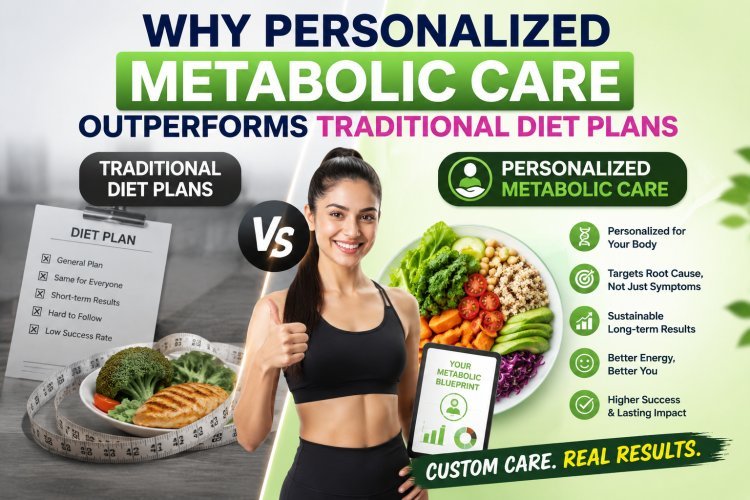
Why Personalized Metabolic Care Outperforms Traditional Diet Plans
Powered by innovations such as digital twin technology in healthcare, personalized metabolic care helps individuals understand how their unique bodies respond to food, activity, sleep, and lifestyle factors. This approach is transforming the way chronic conditions are managed and prevented.
 twinhealthindia
For years, people looking to lose weight, manage Type 2 diabetes, or improve their overall health have turned to popular diet plans. From low-carb and keto diets to intermittent fasting and calorie-restricted meal plans, countless approaches promise better health outcomes. Yet many individuals struggle to achieve lasting results. The reason is simple: no two bodies function exactly the same.
As healthcare continues to embrace precision medicine, personalized metabolic care is emerging as a more effective alternative to one-size-fits-all nutrition programs. Powered by innovations such as digital twin technology in healthcare, personalized metabolic care helps individuals understand how their unique bodies respond to food, activity, sleep, and lifestyle factors. This approach is transforming the way chronic conditions are managed and prevented.
The Problem with Traditional Diet Plans
Most traditional diet plans are designed around general population trends. They assume that people will respond similarly to the same foods, calorie intake, or exercise routines. While these plans may work for some individuals in the short term, they often fail to account for biological differences that influence metabolism.
For example, two people can eat identical meals and experience completely different blood sugar responses. One person may maintain stable glucose levels, while the other experiences significant spikes that contribute to insulin resistance and weight gain. Traditional diet programs rarely address these individual metabolic variations.
As a result, many people become frustrated when diets that work for others fail to deliver the same results for them.
The Rise of Personalized Metabolic Care
Personalized metabolic care focuses on understanding an individual’s unique physiology instead of relying on generalized recommendations. It uses real-time health data to identify the factors that influence metabolic function and create customized strategies that support long-term wellness.
One of the most exciting developments in this field is the use of digital twins in healthcare. A digital twin is a virtual representation of a person’s biological systems that continuously learns from health data collected through wearable devices, sensors, and clinical assessments.
This technology enables healthcare teams to understand how a person's body responds to specific foods, physical activity, sleep patterns, stress levels, and other lifestyle factors. The result is a highly personalized care plan designed around actual metabolic responses rather than assumptions.
How Digital Twin Technology Enhances Care
Digital twin technology in healthcare allows healthcare providers to move beyond generic advice and deliver precision-guided recommendations. Instead of suggesting broad dietary restrictions, a digital twin can identify which foods support stable glucose levels and which trigger metabolic disruptions.
A digital twin for healthcare can also monitor progress continuously, adapting recommendations as a person's health improves. This dynamic approach helps individuals make informed decisions every day while receiving guidance that evolves with their changing needs.
By leveraging data-driven insights, personalized metabolic care helps patients develop sustainable habits rather than following restrictive diets that may be difficult to maintain long term.
Better Outcomes Through Personalization
One of the biggest advantages of personalized metabolic care is its ability to address the root causes of metabolic dysfunction. Rather than focusing solely on weight loss or symptom control, it aims to improve overall metabolic health.
Benefits often include:
- Better blood sugar management.
- Improved insulin sensitivity.
- Sustainable weight reduction.
- Increased energy levels.
- Healthier eating habits based on individual responses.
- Reduced dependence on trial-and-error dieting.
Because recommendations are tailored to each person, adherence rates are often higher than with traditional diet plans, leading to more consistent and lasting results.
The Future of Nutrition and Health
As healthcare becomes increasingly personalized, digital twins in healthcare are helping redefine what effective nutrition and metabolic care look like. The combination of real-time data, artificial intelligence, and individualized insights allows healthcare providers to create interventions that are far more precise than conventional diet programs.
The growing adoption of digital twin technology in healthcare signals a shift away from generic health advice toward customized care that reflects each person's unique biology. Through the use of a digital twin for healthcare, individuals can better understand their metabolism, make smarter lifestyle choices, and achieve long-term health outcomes that traditional diet plans often struggle to deliver.
In the era of precision health, personalized metabolic care is proving that understanding the individual—not the average—is the key to lasting success.