Tramadol and Alternative Pain killer for Crohn's Disease
 chaktty
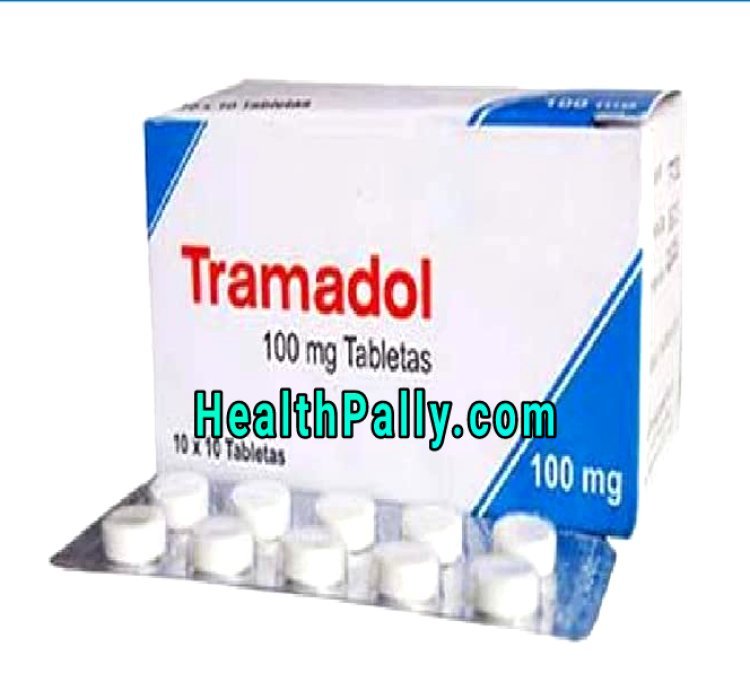
Tramadol for Crohn's Disease
For most people, tramadol is considered safe for short-term use to manage pain associated with Crohn’s disease, particularly during flare-ups or post-surgical recovery.
However, there are several factors to consider before taking tramadol.
Gastrointestinal Side Effects: Crohn’s disease primarily affects the digestive tract, and tramadol can have gastrointestinal side effects, including nausea, vomiting, constipation, and abdominal discomfort.
These symptoms could potentially worsen the digestive symptoms of Crohn’s disease, particularly during flare-ups.
Therefore, people with active Crohn’s disease or significant bowel inflammation may be more susceptible to these side effects, Healthpally.
Constipation: Tramadol can cause constipation, which is a concern for anyone with Crohn’s disease, as constipation can exacerbate bloating, discomfort, and other bowel-related symptoms.
Prolonged constipation can also lead to complications such as bowel obstruction, which is a serious condition that can require surgical intervention.
Opioid Sensitivity: Individuals with Crohn’s disease may experience changes in gut motility, which can affect how medications are absorbed in the gastrointestinal tract.
For some people, this could lead to unpredictable effects from tramadol, including increased sedation or delayed pain relief.
Additionally, tramadol is metabolized in the liver, so people with liver issues or liver dysfunction related to Crohn's disease may need to use tramadol with caution or at a lower dose.
Are There Alternatives to Tramadol for Pain Management in Crohn’s Disease?
For people with Crohn’s disease who require long-term pain management or want to avoid the potential risks associated with tramadol, there are alternatives you may consider.
These alternatives may be safer and better suited if you're with gastrointestinal conditions.
Acetaminophen (Tylenol): Acetaminophen is a non-opioid pain reliever that can be effective for mild to moderate pain.
It has fewer gastrointestinal side effects than tramadol and is generally safer for people with Crohn’s disease.
However, you should avoid overusing acetaminophen, as it can cause liver damage if taken in excessive amounts, Chaktty said.
Nonsteroidal Anti-Inflammatory Drugs (NSAIDs): NSAIDs such as ibuprofen or naproxen are commonly used to manage pain and inflammation.
However, these medications should be used with caution in people with Crohn’s disease, as they can irritate the gastrointestinal tract and potentially worsen symptoms or trigger flare-ups.
It’s important to consult a doctor before using NSAIDs for pain management in Crohn’s disease.
Corticosteroids: During flare-ups, corticosteroids like prednisone may be prescribed to reduce inflammation and relieve pain.
These drugs are effective for managing Crohn’s disease symptoms but should be used with caution due to their potential for long-term side effects, such as weight gain, osteoporosis, and increased infection risk.
Antidepressants and Anticonvulsants: Some antidepressants and anticonvulsant medications, such as amitriptyline or gabapentin, can be effective for managing chronic pain associated with conditions like Crohn’s disease.
These drugs work by altering the way the nervous system processes pain and are often prescribed for patients with nerve-related pain or discomfort.
Topical Analgesics: For localized pain, topical creams or gels that contain menthol or capsaicin can be a good alternative to oral medications.
These are applied directly to the skin and provide relief without the gastrointestinal side effects associated with oral medications.
Physical Therapy and Alternative Therapies: For some people with Crohn’s disease, non-medication approaches such as physical therapy, acupuncture, or cognitive behavioral therapy (CBT) can help manage pain and improve quality of life.