Kerala Tourism: Why Is It So Famous?
Explore the guide of Kerala tourism, which is famous for travel, culture, backwaters, hill stations, food, and Ayurveda.
 tripplannersinindia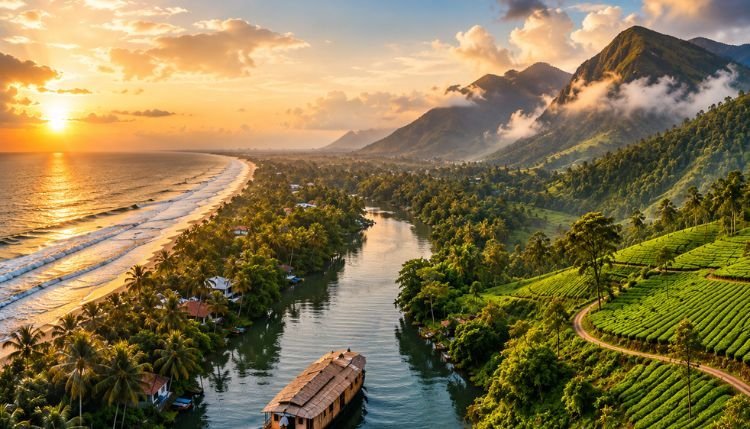
Ask any well-traveled Indian, or for that matter any global backpacker with a decent Instagram feed, to name one destination in India that feels like a different country altogether — and there's a good chance "Kerala" comes up. It's not an accident. Kerala didn't stumble into fame. It built its reputation, layer by layer, out of geography, culture, food, wellness traditions, and some genuinely brilliant marketing (yes, "God's Own Country" is a tagline, and yes, it works).
But what actually makes Kerala tick as a tourist magnet? Let's break it down properly — not the postcard version, but the real reasons people keep coming back.
1. A Geography That Does the Heavy Lifting
Kerala is a narrow strip of land squeezed between the Arabian Sea and the Western Ghats, and that squeeze is exactly why it has so much packed into so little space. Within a few hours' drive, you can go from a beach at sea level to a tea estate at 1,600 meters. Few states in India — or honestly, few places in the world — offer that kind of vertical variety in such a compact geography.
This is why so many first-time visitors don't book a single-city trip. They plan a circuit — coast, backwaters, hills, forest — and that circuit is exactly what most kerala tour packages are built around. A good package typically stitches together Kochi, Munnar, Thekkady, and Alleppey precisely because each one delivers a completely different landscape without requiring long, tiring transfers.
2. The Backwaters: Kerala's Signature Experience
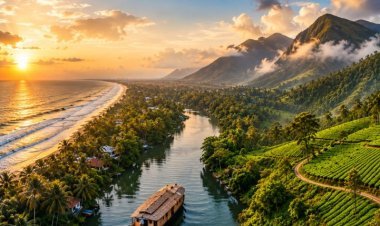
If there's one image that made Kerala famous worldwide, it's the houseboat gliding through the backwaters of Alleppey or Kumarakom. These aren't rivers in the traditional sense — they're a network of lagoons, canals, and lakes running parallel to the coast, lined with coconut palms and paddy fields.
Spending a night on a converted rice barge, watching village life unfold from the water, eating a freshly cooked Kerala fish curry as the boat quietly drifts — it's an experience that doesn't really exist anywhere else in India in quite the same form. This single experience alone drives a huge share of repeat tourism and word-of-mouth recommendations.
3. Hill Stations That Feel Genuinely Untouched
Munnar gets most of the attention, and deservedly so — rolling tea plantations, cool mist, and the occasional Nilgiri Tahr sighting make it a photographer's dream. But Wayanad has quietly built its own following among travelers who want forests, caves, and waterfalls without the crowds.
These hill destinations also anchor a lot of wellness and slow-travel tourism, since the climate naturally supports longer, more relaxed stays compared to the heat of the plains.
4. Ayurveda and Wellness Tourism
Kerala is widely regarded as the birthplace of authentic, traditionally practiced Ayurveda in India, and this has turned into a full-fledged tourism vertical of its own. People don't just visit for sightseeing — they fly in specifically for panchakarma treatments, therapeutic massages, and wellness retreats that combine medicine, diet, and yoga.
This is also where the destination attracts a different kind of visitor: less interested in checklists, more interested in a genuine reset. Anyone researching options through a tour planner india service will notice how many itineraries now build in a few days at a wellness center as a standard stop, not an add-on.
5. Food That Tells Its Own Story
Kerala cuisine deserves its own separate fame, honestly. The sadya — a full vegetarian feast served on a banana leaf during festivals — is a cultural event as much as a meal. Coconut, curry leaves, tamarind, and fresh seafood define the coastal palate, while the spice-heavy dishes around Thekkady reflect the region's centuries-old spice trade.
Food tourism has become a genuine reason people choose Kerala over other South Indian destinations, and it's increasingly featured as a dedicated theme within many travel itineraries rather than an afterthought.
6. Festivals, Art, and Living Culture
Onam, the harvest festival, transforms the entire state — flower carpets, boat races, and elaborate feasts all happen within a tight festival window, and travelers increasingly plan trips specifically around it. Add to this Kathakali performances, Theyyam rituals, and traditional martial arts like Kalaripayattu, and Kerala offers a cultural depth that goes well beyond scenic beauty.
7. High Literacy, Better Infrastructure, Easier Travel
This one doesn't get talked about enough. Kerala has the highest literacy rate in India, and that shows up in tourism in very practical ways — better signage, more English-speaking guides, cleaner public spaces, and a generally well-organized tourism ecosystem. For international travelers especially, this makes Kerala feel more approachable compared to some other Indian destinations.
8. Wildlife and Nature Reserves
Periyar Wildlife Sanctuary near Thekkady is one of India's better-run tiger reserves, and it combines wildlife spotting with boat safaris and spice garden visits. Add in Wayanad's forests and a handful of smaller sanctuaries, and Kerala quietly caters to nature and wildlife tourism without ever positioning itself primarily as a safari destination.
9. It's Genuinely Easy to Plan a Trip Here
Part of Kerala's fame comes down to something less romantic but very real: it's easy to organize a trip. The state's tourism board has invested heavily in promotion and standardization, so whether someone books directly, goes through an agency, or works with a broader tour planner india platform, the information, routes, and options are far more accessible than in many other Indian states. This lowers the barrier for first-time visitors, especially international tourists who might otherwise find travel planning in India overwhelming.
10. It Photographs (and Films) Beautifully
Kerala has been a favorite backdrop for Indian cinema and international documentaries for decades, and the ripple effect on tourism is real. A backwater sunset or a misty tea garden doesn't need much dramatization—the location does the work, and that visual appeal keeps circulating across social media, film, and travel content year after year.
Final Thoughts
Kerala's fame isn't built on one single attraction—it's the combination. Backwaters for the calm, hills for the scenery, wildlife for the adventure, Ayurveda for the wellness crowd, food and festivals for the culture,
and genuinely good infrastructure tying it all together. That's a rare mix, and it's exactly why Kerala keeps showing up on "must-visit" lists year after year, not just once, but consistently.
and genuinely good infrastructure tying it all together. That's a rare mix, and it's exactly why Kerala keeps showing up on "must-visit" lists year after year, not just once, but consistently.
Whether you're comparing ready-made packages or working with a dedicated planner to build a custom route, the destination itself does most of the convincing. Kerala doesn't need to oversell itself — it just needs you to show up.