Why Healthy Scalp Care Is the Foundation of Strong and Beautiful Hair
 tressroots
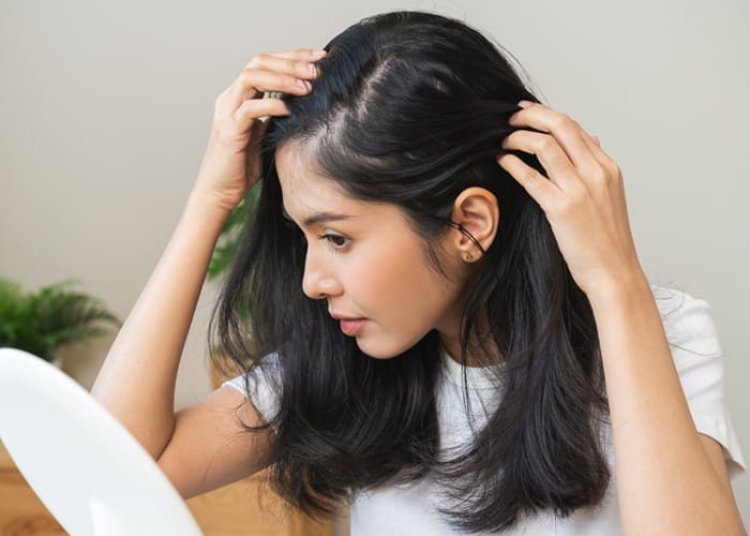
Hair health has become one of the most discussed wellness topics in recent years. People across the world are investing in premium shampoos, serums, oils, and advanced hair treatments in the hope of achieving thicker, shinier, and healthier hair. However, while many individuals focus on external products and styling trends, they often overlook the most important factor behind long-lasting hair wellness: scalp health.
A healthy scalp creates the ideal environment for hair growth, nourishment, and strength. Just as fertile soil is essential for healthy plants, the scalp serves as the foundation for vibrant and resilient hair. Without proper scalp care, even the most expensive hair products may fail to deliver sustainable results.
Modern lifestyles have made scalp problems increasingly common. Pollution, stress, poor nutrition, harsh chemicals, heat styling tools, and changing weather conditions can all damage the scalp barrier. This may lead to dryness, irritation, itching, dandruff, excessive oil production, and weakened hair roots. Over time, these issues can contribute to hair thinning and breakage.
Today, consumers are becoming more conscious of holistic beauty practices. Instead of relying solely on cosmetic fixes, they are looking for long-term solutions that improve hair quality naturally. This growing awareness has encouraged haircare professionals and dermatologists to emphasize the importance of maintaining scalp balance.
The good news is that improving scalp health does not always require complicated treatments. Simple lifestyle adjustments, proper cleansing habits, balanced nutrition, and targeted haircare routines can make a significant difference. Understanding how the scalp functions is the first step toward building stronger hair from the roots.
Understanding the Relationship Between the Scalp and Hair Growth
The scalp contains thousands of hair follicles that are responsible for producing hair strands. Each follicle depends on a healthy supply of nutrients, oxygen, and moisture to function effectively. When the scalp environment becomes unhealthy, hair follicles may weaken, resulting in dull, fragile, or thinning hair.
Oil glands within the scalp produce sebum, which acts as a natural moisturizer. Sebum helps protect the scalp and hair from dryness while maintaining flexibility and shine. However, excessive oil production can clog follicles and lead to buildup, while insufficient oil can cause flaking and irritation.
Blood circulation also plays a vital role in hair growth. Proper circulation ensures that essential nutrients reach the follicles efficiently. Poor circulation can reduce nutrient delivery, which may negatively affect hair density and growth cycles.
Maintaining a balanced scalp microbiome is equally important. The scalp naturally contains beneficial microorganisms that help defend against harmful bacteria and inflammation. Disrupting this balance through harsh products or poor hygiene can trigger scalp disorders.
Consumers searching for healthier hair are increasingly exploring solutions that prioritize root-level nourishment. Brands and wellness experts now focus on strengthening hair follicles naturally, and discussions around tress roots have become more relevant than ever in the beauty industry.
Common Scalp Problems That Affect Hair Health
Many scalp conditions develop gradually and may go unnoticed until visible hair damage occurs. Recognizing the signs early can help prevent long-term complications.
Dandruff and Flaking
Dandruff is one of the most widespread scalp concerns globally. It often appears as white flakes accompanied by itching and irritation. While dandruff may seem harmless initially, chronic inflammation can weaken hair follicles over time.
Factors such as fungal overgrowth, excessive oiliness, stress, and product sensitivity may contribute to dandruff. Using anti-dandruff shampoos with soothing ingredients can help restore scalp balance.
Dry Scalp
A dry scalp lacks adequate moisture and may feel tight or itchy. Cold weather, over-washing, harsh shampoos, and dehydration are common causes. Unlike dandruff, dry scalp flakes are usually smaller and less oily.
Hydrating oils, gentle cleansers, and proper water intake can improve scalp hydration significantly.
Excessive Oiliness
An oily scalp occurs when sebaceous glands produce excess sebum. This can create buildup, trap dirt, and make hair appear greasy shortly after washing. In some cases, clogged follicles may contribute to hair fall.
Balancing oil production requires consistent cleansing without over-stripping natural moisture.
Scalp Sensitivity and Irritation
Sensitive scalps may react negatively to fragrances, sulfates, dyes, or environmental pollutants. Symptoms can include redness, burning sensations, and tenderness.
Choosing dermatologist-tested products with calming ingredients like aloe vera, tea tree oil, and chamomile may reduce irritation.
Product Buildup
Hair sprays, dry shampoos, gels, and styling creams can accumulate on the scalp over time. This buildup may block follicles and interfere with healthy hair growth.
Regular scalp exfoliation helps remove residue while improving circulation and freshness.
The Importance of Proper Cleansing Techniques
Cleansing the scalp correctly is essential for maintaining healthy hair. Many people either wash their hair too frequently or not enough, both of which can disrupt scalp balance.
The ideal washing frequency depends on hair type, climate, and lifestyle. Individuals with oily scalps may need more frequent cleansing, while those with dry or curly hair may benefit from fewer washes.
Using lukewarm water is recommended because extremely hot water can strip away natural oils and increase dryness. Shampoo should be massaged gently into the scalp using fingertips rather than nails to avoid irritation.
Double cleansing has become a popular technique for removing excess oil and product buildup effectively. The first wash helps loosen dirt, while the second cleanses the scalp more thoroughly.
Conditioner should primarily be applied to hair lengths rather than directly onto the scalp unless the product is specifically formulated for scalp hydration.
Haircare specialists also encourage consumers to avoid overusing chemical-heavy products. Sulfate-free shampoos and lightweight scalp treatments are increasingly preferred because they maintain the scalp’s natural protective barrier.
Nutrition and Its Impact on Scalp Wellness
Healthy hair begins internally. The body requires essential vitamins, minerals, and proteins to support hair growth and scalp repair.
Protein is especially important because hair is primarily composed of keratin, a type of protein. Insufficient protein intake may lead to brittle hair and increased shedding.
Iron supports oxygen transport to hair follicles. Iron deficiency is commonly linked to hair thinning, especially among women.
Omega-3 fatty acids help maintain scalp hydration and reduce inflammation. Foods such as salmon, walnuts, flaxseeds, and chia seeds are excellent sources.
Vitamins A, C, D, and E also contribute to overall scalp health. These nutrients assist with collagen production, immune function, and protection against oxidative stress.
Hydration is another crucial factor. Drinking enough water supports circulation and helps maintain moisture balance within the scalp.
Modern consumers are increasingly integrating nutritional wellness into their beauty routines. Discussions about holistic haircare solutions, including tressroots approaches to scalp nourishment, continue gaining popularity among health-conscious individuals.
How Stress Affects Hair and Scalp Health
Stress is often underestimated as a contributor to scalp and hair issues. Emotional and physical stress can disrupt hormonal balance, trigger inflammation, and affect the hair growth cycle.
Conditions such as telogen effluvium may occur after periods of intense stress, causing excessive shedding. Stress can also worsen dandruff, itching, and scalp sensitivity.
In today’s fast-paced environment, stress management has become an essential part of self-care. Practices such as meditation, yoga, regular exercise, and quality sleep can positively impact scalp wellness.
Scalp massage is another beneficial habit that promotes relaxation while improving blood circulation. Gentle massage with nourishing oils may support healthier follicles and reduce tension.
Creating a balanced lifestyle not only benefits mental health but also contributes to stronger and more resilient hair.
Choosing the Right Haircare Products
The beauty industry offers countless haircare products, making it difficult for consumers to choose the right solutions. Understanding ingredient labels and individual scalp needs is key to selecting effective products.
People with dry scalps should look for moisturizing ingredients such as hyaluronic acid, argan oil, shea butter, and glycerin. Those with oily scalps may benefit from lightweight formulas containing tea tree oil or salicylic acid.
Avoiding overly harsh chemicals can help protect the scalp barrier. Products containing excessive alcohol, sulfates, and synthetic fragrances may increase irritation for sensitive individuals.
Scalp serums and leave-in treatments have become increasingly popular because they target follicles directly. Many formulations now focus on strengthening roots, reducing inflammation, and improving scalp hydration.
Consumers are also becoming more interested in clean beauty products with natural ingredients and sustainable packaging. This shift reflects a broader movement toward wellness-driven beauty routines.
Patch testing new products is recommended to minimize the risk of allergic reactions or irritation.
The Role of Professional Scalp Treatments
While at-home care is important, professional scalp treatments can provide deeper cleansing and targeted support.
Dermatologists and trichologists often recommend scalp therapies for persistent conditions such as severe dandruff, scalp psoriasis, or chronic hair thinning.
Popular professional treatments include scalp detox procedures, exfoliation therapies, hydrating masks, and laser-based treatments designed to stimulate follicles.
Microneedling has also gained attention for its potential to enhance product absorption and encourage collagen production around hair follicles.
Regular scalp evaluations can help identify underlying issues before they worsen. Seeking professional guidance is especially important for individuals experiencing sudden or excessive hair loss.
Seasonal Changes and Scalp Care Adjustments
Scalp needs often change with the seasons. During winter, cold temperatures and indoor heating can increase dryness and flaking. In contrast, summer heat and humidity may lead to excessive sweating and oiliness.
Adjusting haircare routines seasonally can help maintain balance throughout the year.
During colder months, hydrating shampoos, nourishing oils, and reduced heat styling may protect scalp moisture. In warmer seasons, lightweight cleansers and regular washing can help control sweat and buildup.
Sun protection is another frequently overlooked aspect of scalp care. Prolonged sun exposure can damage the scalp and weaken hair strands. Wearing hats or using UV-protective hair products may help reduce sun-related damage.
Environmental pollution can also negatively affect scalp health. Dirt particles and toxins may accumulate on the scalp, increasing irritation and oxidative stress. Thorough cleansing and antioxidant-rich products can provide additional protection.
Building a Sustainable Haircare Routine
Consistency is one of the most important factors in achieving healthier hair and scalp conditions. Quick fixes rarely provide lasting benefits, while sustainable routines encourage long-term improvement.
A balanced haircare routine should include gentle cleansing, proper hydration, scalp nourishment, and minimal exposure to damaging practices.
Reducing excessive heat styling, limiting chemical treatments, and avoiding overly tight hairstyles can protect follicles from unnecessary stress.
Consumers should also avoid comparing their hair journey to unrealistic beauty standards often portrayed online. Hair texture, density, and growth patterns vary naturally among individuals.
Patience is essential because noticeable improvements in scalp and hair health may take several weeks or months. Long-term care produces stronger results than temporary cosmetic solutions.
Maintaining realistic expectations while focusing on overall wellness can lead to healthier and more confident self-care habits.
Conclusion
Healthy hair starts with a healthy scalp. While many people focus on surface-level treatments, the true foundation of strong and beautiful hair lies beneath the strands. The scalp plays a crucial role in supporting hair follicles, maintaining moisture balance, and protecting against environmental stressors.
By understanding common scalp concerns and adopting healthier habits, individuals can significantly improve the condition of their hair over time. Proper cleansing, balanced nutrition, stress management, and carefully selected products all contribute to long-term scalp wellness.
As awareness surrounding holistic beauty continues to grow, consumers are recognizing the importance of root-focused haircare solutions. Investing in scalp health is not simply a cosmetic trend; it is an essential part of maintaining overall hair vitality.
Whether someone is struggling with dryness, dandruff, oiliness, or thinning hair, taking proactive steps to care for the scalp can make a lasting difference. Consistent attention to scalp wellness supports stronger follicles, improved hair texture, and greater confidence.
Ultimately, beautiful hair is not created overnight. It develops gradually through mindful care, healthy lifestyle choices, and sustainable routines that nourish the scalp from the inside out.