What Foods Support Both Heart and Digestive Health?
Discover foods that support both heart and digestive health. Learn healthy eating habits recommended by the best cardiology hospital in chennai to improve overall wellness and long-term health.
 SundaramMedicalFoundation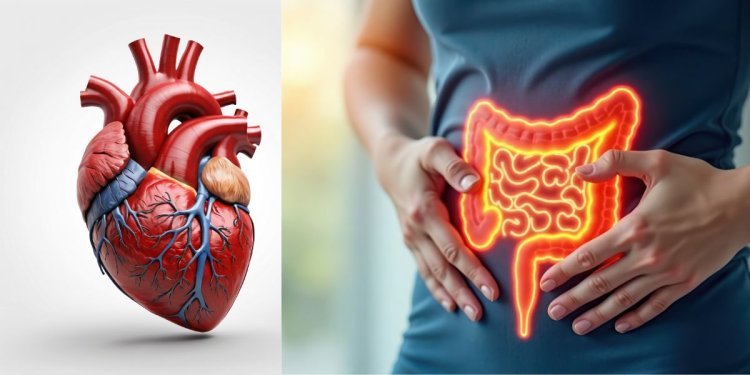
A healthy diet is one of the most effective ways to protect your body from a wide range of health problems. The foods you eat every day affect not only your heart but also your digestive system. Choosing nutritious foods can help lower the risk of heart disease, improve digestion, maintain a healthy weight, and boost overall well-being.
Many people focus on heart health or digestive health separately, but the good news is that several foods benefit both systems at the same time. Along with regular exercise and healthy lifestyle habits, eating a balanced diet can make a lasting difference. Healthcare professionals at the best cardiology hospital in Chennai often encourage patients to adopt heart-friendly eating habits that also support digestive wellness.
Let's explore some of the best foods that can keep both your heart and digestive system healthy.
1. Whole Grains
Whole grains such as oats, brown rice, quinoa, and whole wheat are excellent sources of dietary fiber.
Benefits for Heart Health
- Help lower bad cholesterol (LDL)
- Support healthy blood pressure
- Improve overall cardiovascular health
Benefits for Digestive Health
- Promote regular bowel movements
- Reduce constipation
- Support healthy gut bacteria
Replacing refined grains with whole grains is a simple step toward better health.
2. Fruits
Fresh fruits provide essential vitamins, minerals, antioxidants, and fiber.
Some heart- and gut-friendly choices include:
- Apples
- Berries
- Bananas
- Oranges
- Papaya
Benefits
- Rich in antioxidants that protect blood vessels
- High fiber content supports digestion
- Help maintain healthy cholesterol levels
- Naturally low in unhealthy fats
Aim to include a variety of colorful fruits in your daily diet.
3. Vegetables
Vegetables are among the healthiest foods you can eat.
Leafy greens, carrots, broccoli, cucumbers, tomatoes, and bell peppers provide nutrients that support multiple body systems.
Benefits
- Improve digestive function
- Reduce inflammation
- Support heart health
- Help maintain a healthy weight
Eating vegetables at every meal can significantly improve your overall nutrition.
4. Fatty Fish
Fish such as salmon, sardines, and mackerel contain omega-3 fatty acids.
Benefits for Heart
- Reduce inflammation
- Support healthy cholesterol levels
- Lower the risk of heart disease
Benefits for Digestion
Healthy fats may support normal digestive function and contribute to overall wellness.
Including fish in your meals once or twice a week can be beneficial.
5. Yogurt
Yogurt contains probiotics, which are beneficial bacteria that support gut health.
Benefits
- Improve digestion
- Support a healthy gut microbiome
- Enhance nutrient absorption
Choose plain yogurt with minimal added sugar for the greatest health benefits.
6. Nuts and Seeds
Almonds, walnuts, flaxseeds, and chia seeds are rich in healthy fats, protein, and fiber.
Benefits
- Support heart health
- Help control cholesterol
- Improve digestion
- Keep you feeling full for longer
Enjoy them in moderation as part of a balanced diet.
7. Legumes
Beans, lentils, peas, and chickpeas are packed with nutrients.
Benefits
- High in fiber
- Support healthy digestion
- Help regulate blood sugar
- Promote heart health
Legumes are also an excellent plant-based protein source.
8. Olive Oil
Olive oil is widely recognized as a healthy cooking oil.
Benefits
- Supports healthy cholesterol levels
- Provides beneficial fats
- May reduce inflammation
Using olive oil instead of saturated fats can contribute to better heart health.
9. Green Tea
Green tea contains antioxidants that support overall health.
Benefits
- Supports cardiovascular wellness
- Helps reduce inflammation
- May aid digestion for some individuals
It can be a healthy alternative to sugary beverages.
10. Plenty of Water
Water is essential for every body system.
Benefits for the Heart
- Helps maintain healthy blood circulation
- Supports normal body functions
Benefits for Digestion
- Prevents constipation
- Helps move food through the digestive tract
- Supports nutrient absorption
Staying hydrated is one of the easiest ways to support both heart and digestive health.
Foods to Limit
While healthy foods protect your body, certain foods can increase health risks when consumed frequently.
Try to reduce:
- Highly processed foods
- Sugary drinks
- Excess salt
- Deep-fried foods
- Processed meats
- Excessive alcohol
Limiting these foods can benefit both your cardiovascular system and digestive tract.
Healthy Lifestyle Habits Matter Too
Nutrition works best when combined with other healthy habits.
These include:
- Exercising regularly
- Maintaining a healthy weight
- Getting enough sleep
- Managing stress
- Avoiding tobacco products
- Attending regular medical checkups
These lifestyle choices complement a healthy diet and contribute to long-term wellness.
When to Seek Medical Advice
Occasional digestive discomfort or temporary changes in appetite are common. However, persistent symptoms should not be ignored.
Consult a healthcare professional if you experience:
- Frequent chest discomfort
- Persistent heartburn
- Ongoing abdominal pain
- Difficulty swallowing
- Blood in stools
- Unexplained weight loss
- Chronic constipation or diarrhea
For individuals experiencing ongoing digestive concerns, consulting a gastroenterologist hospital in Chennai can help identify the underlying cause and ensure timely diagnosis and appropriate treatment.
Conclusion
The foods you eat every day have a powerful impact on both your heart and digestive system. A balanced diet rich in whole grains, fruits, vegetables, healthy fats, legumes, yogurt, and plenty of water can help reduce the risk of many common health conditions while supporting overall wellness.
Healthy eating does not have to be complicated. Small, consistent improvements in your daily food choices can lead to long-term benefits for your heart, digestive system, and overall quality of life. Combined with regular exercise and preventive healthcare, these habits can help you stay healthier for years to come.