Why Choosing a Psychodynamic Therapist in Delhi Can Support Lasting Emotional Well-being
Looking for a psychodynamic therapist in Delhi? Psychodynamic therapy is a depth-oriented approach that helps individuals understand how unconscious patterns, early life experiences, and relationship dynamics shape their emotional well-being. This article explores how psychodynamic psychotherapy works, who it can benefit, its long-term advantages, and what to consider when choosing a qualified therapist. Whether you're seeking support for anxiety, depression, relationship concerns, or personal growth, understanding this therapeutic approach can help you make an informed decision about your mental health journey.
 rpsychotherapystudio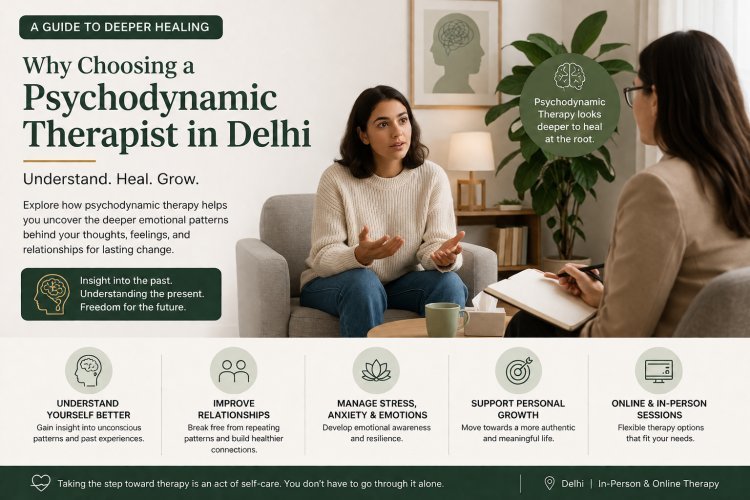
Unlike approaches that focus primarily on managing symptoms, psychodynamic therapy helps individuals explore the deeper emotional processes that influence their thoughts, behaviours, and relationships. By developing greater self-awareness and understanding unconscious patterns, many people experience meaningful and lasting emotional change.
If you're considering therapy and wondering whether psychodynamic psychotherapy is the right approach, understanding its principles, benefits, and who it is best suited for can help you make an informed decision.
What Is Psychodynamic Therapy?
Psychodynamic therapy is a form of talk therapy that explores how past experiences, unconscious thoughts, attachment styles, and relationship patterns influence present-day emotions and behaviours.
Rather than simply addressing surface-level symptoms, this therapeutic approach helps people understand the emotional roots of their difficulties. Through regular conversations with a trained therapist, individuals begin to identify recurring patterns, unresolved conflicts, and emotional experiences that may be affecting their well-being without them fully realizing it.
The goal is not simply to "feel better" in the moment, but to develop deeper insight that supports healthier relationships, improved emotional regulation, and long-term psychological well-being.
Why Are More People Seeking a Psychodynamic Therapist in Delhi?
Life in Delhi is fast-paced and demanding. Balancing careers, academics, family responsibilities, and social expectations can leave little room for emotional reflection. Many people continue functioning successfully in their daily lives while quietly struggling with anxiety, burnout, loneliness, or unresolved emotional pain.
A growing number of individuals are choosing psychodynamic therapy because they want to understand the underlying causes of their emotional experiences rather than simply coping with them.
People commonly seek support for:
- Persistent anxiety or excessive worrying
- Depression or prolonged low mood
- Relationship and attachment difficulties
- Workplace stress and burnout
- Childhood emotional experiences that continue to affect adulthood
- Low self-esteem and self-criticism
- Grief and emotional loss
- Life transitions and identity concerns
Psychodynamic therapy provides a safe and confidential environment to explore these concerns without judgment.
How Does Psychodynamic Therapy Work?
Therapy begins with open and honest conversation. Over time, the therapist and client work together to identify recurring emotional themes, behavioural patterns, and relationship dynamics.
Sessions may include discussions about:
- Current emotional challenges
- Childhood experiences
- Family relationships
- Significant life events
- Dreams and recurring thoughts
- Emotional reactions
- Patterns in friendships and romantic relationships
Instead of offering quick advice, the therapist helps clients develop insight into why certain feelings and behaviours continue to emerge. This understanding often creates opportunities for healthier choices and emotional growth.
Benefits of Working with a Psychodynamic Therapist
One of the greatest strengths of psychodynamic therapy is that it focuses on lasting change rather than temporary symptom relief.
Some potential benefits include:
Greater Self-Awareness
Understanding unconscious emotional patterns helps people make more informed decisions and respond thoughtfully instead of reacting automatically.
Healthier Relationships
Many interpersonal challenges stem from long-standing attachment patterns. Therapy helps individuals recognize these patterns and develop healthier ways of relating to others.
Improved Emotional Regulation
By understanding emotions instead of avoiding them, people often become better equipped to manage stress, anxiety, and difficult life situations.
Increased Self-Confidence
As individuals gain insight into their experiences and strengths, they often develop a stronger sense of identity and self-worth.
Long-Term Personal Growth
Psychodynamic therapy encourages meaningful emotional development that continues beyond the therapy room.
Who Can Benefit from Psychodynamic Therapy?
This approach may be particularly helpful for individuals experiencing:
- Anxiety disorders
- Depression
- Chronic stress
- Relationship conflicts
- Emotional trauma
- Childhood emotional neglect
- Identity concerns
- Repeated unhealthy relationship patterns
- Difficulty expressing emotions
- Low self-esteem
It can also benefit people who simply want to understand themselves better and improve their emotional well-being.
What Makes Psychodynamic Therapy Different?
Many therapeutic approaches are effective, but they differ in focus.
Psychodynamic therapy explores not only what someone is experiencing but also why those experiences continue to occur.
For example, someone experiencing repeated relationship difficulties may discover underlying attachment patterns formed earlier in life. Understanding these patterns creates opportunities for healthier relationships moving forward.
Rather than providing temporary coping techniques alone, psychodynamic therapy supports deeper emotional understanding that can positively influence many areas of life.
How to Choose the Right Psychodynamic Therapist in Delhi
Finding the right therapist is an important part of the therapeutic journey.
When choosing a therapist, consider factors such as:
- Professional qualifications and training
- Experience in psychodynamic psychotherapy
- A confidential and ethical therapeutic environment
- A collaborative and respectful approach
- Availability of both in-person and online sessions if needed
Feeling comfortable and understood by your therapist often plays an important role in successful therapy.
Frequently Asked Questions
Is psychodynamic therapy suitable for anxiety?
Yes. Many people experiencing anxiety benefit from exploring the emotional factors that contribute to recurring anxious thoughts and feelings.
How long does psychodynamic therapy usually last?
The duration depends on each person's goals and concerns. Some individuals seek short-term therapy, while others choose longer-term work to gain deeper emotional insight.
Can psychodynamic therapy help with relationship issues?
Yes. It is widely used to understand recurring interpersonal patterns, attachment styles, communication difficulties, and emotional responses within relationships.
Is online psychodynamic therapy effective?
For many people, online psychotherapy offers the same opportunity for meaningful therapeutic work while providing greater flexibility and convenience.
Final Thoughts
Choosing a psychodynamic therapist in Delhi is an investment in understanding yourself at a deeper level. Instead of focusing only on reducing symptoms, psychodynamic therapy helps uncover the emotional patterns, past experiences, and relationship dynamics that influence everyday life. This deeper understanding can support healthier relationships, greater emotional resilience, and lasting personal growth.
If you're exploring Best psychodynamic therapist in Delhi, Reverie Psychotherapy Studio provides a thoughtful, evidence-informed approach that focuses on creating a safe, compassionate, and confidential therapeutic space. You can learn more about their approach to psychodynamic psychotherapy and available therapy services by visiting their dedicated website.