Real Estate Tokenization: The Digital Shift Every Property Business Should Embrace
 suzieiris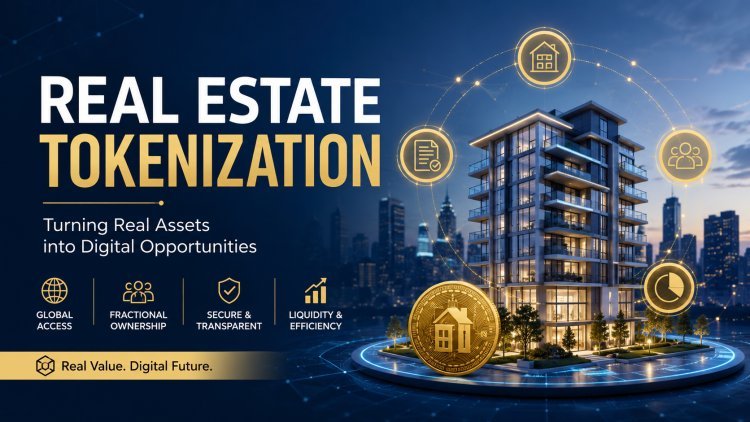
The real estate industry is undergoing a significant digital transformation driven by advancements in blockchain technology, automation, and digital finance. While property transactions have traditionally relied on paper-based documentation, multiple intermediaries, and lengthy settlement processes, new technologies are creating more efficient ways to manage, finance, and invest in real estate assets.
Among these innovations, real estate tokenization has emerged as one of the most influential developments. By converting ownership rights in physical properties into blockchain-based digital tokens, tokenization enables fractional ownership, improves transparency, enhances capital access, and modernizes property management.
For property developers, investment firms, asset managers, and real estate businesses, embracing tokenization represents an opportunity to adapt to an increasingly digital investment ecosystem while improving operational efficiency and expanding investor participation.
What Is Real Estate Tokenization?
Real estate tokenization is the process of converting ownership interests or economic rights in a real estate asset into blockchain-based digital tokens.
These tokens may represent:
- Fractional ownership of residential properties
- Commercial real estate equity
- Industrial and logistics facilities
- Hospitality and mixed-use developments
- Rights to rental income
- Participation in diversified real estate investment portfolios
Each token represents a proportional interest in the underlying asset based on the legal structure established for the investment. Rather than replacing existing property laws, tokenization creates a digital representation of legally recognized ownership rights that can be managed more efficiently using blockchain technology.
Why Property Businesses Are Exploring Tokenization
Traditional real estate businesses often encounter challenges such as limited liquidity, high capital requirements, lengthy fundraising cycles, and administrative complexity. Tokenization addresses many of these challenges by introducing digital ownership structures that improve accessibility and streamline operations.
For businesses involved in real estate Tokenization development, investment management, brokerage, or asset ownership, tokenization offers a modern framework for attracting investors and managing real estate assets more efficiently.
How Real Estate Tokenization Works
The tokenization process combines established legal frameworks with blockchain infrastructure.
Property Identification and Evaluation
A property or portfolio is selected for tokenization based on factors such as market value, income potential, ownership status, and investment objectives. Professional valuation establishes the property's economic value before digital tokens are created.
Legal Structuring
Ownership is organized through a legally recognized entity such as a special purpose vehicle (SPV), trust, or regulated investment structure. This entity defines investor rights, governance procedures, income distribution mechanisms, and compliance obligations.
Token Creation
Blockchain-based digital tokens are issued to represent ownership interests or economic rights. Smart contracts automate ownership registration, compliance controls, transfer rules, and distribution processes.
Investor Participation
Eligible investors complete regulatory onboarding procedures before acquiring tokens. Compliance measures typically include Know Your Customer (KYC) and Anti-Money Laundering (AML) verification.
Ongoing Asset Management
Professional property managers continue overseeing leasing, maintenance, tenant relationships, and operational activities. Rental income and financial reporting are managed according to the legal framework supporting the tokenized asset.
Why Every Property Business Should Consider the Digital Shift
1. Expanded Access to Investment Capital
One of the most important advantages of tokenization is the ability to access a broader investor base. Instead of relying exclusively on institutional financing or traditional lending, businesses can structure investments that accommodate fractional participation, expanding opportunities for eligible investors while diversifying funding sources.
2. Lower Investment Barriers
High minimum investment requirements have historically limited participation in commercial real estate. Tokenization divides assets into smaller ownership units, allowing more investors to participate according to applicable regulations and platform requirements. This broader accessibility can increase market participation and improve capital formation.
3. Improved Liquidity Potential
Real estate is traditionally considered an illiquid asset class because selling property often requires significant time and administrative effort. Tokenized ownership interests may be transferred through supported secondary marketplaces, providing greater flexibility than conventional ownership models, although liquidity depends on market conditions and regulatory frameworks.
4. Greater Transparency
Blockchain technology records ownership changes, transaction histories, and selected financial activities on an immutable ledger. This transparency improves reporting, simplifies auditing, and enhances investor confidence by providing verifiable ownership records.
5. Operational Efficiency Through Automation
Smart contracts automate many administrative processes associated with real estate investments.
Automation may include:
- Ownership registration
- Distribution calculations
- Investor reporting
- Compliance workflows
- Transaction execution
Reducing manual processes can improve efficiency and lower operational costs.
6. Enhanced Global Market Reach
Digital investment platforms make it possible for eligible investors from multiple jurisdictions to participate in tokenized real estate opportunities, subject to legal and regulatory requirements. For property businesses, this broader reach can expand access to international pools of capital.
7. Flexible Capital Formation Strategies
Developers and property owners can tokenize completed assets, development projects, or income-generating portfolios. This creates additional financing options while allowing businesses to retain varying levels of ownership or operational control depending on the chosen structure.
8. Fractional Ownership Models
Fractional ownership enables investors to purchase proportional interests in high-value assets rather than acquiring entire properties. For property businesses, this creates more flexible investment structures capable of accommodating a wider range of participants.
9. Integration With Emerging Digital Finance
Real estate tokenization supports integration with broader digital asset ecosystems.
Potential applications include:
- Real-world asset (RWA) investment platforms
- Digital asset portfolio management
- Tokenized real estate funds
- Blockchain-based reporting systems
- Digital collateral frameworks
These integrations expand the functionality of real estate investments within modern financial infrastructure.
10. Competitive Positioning in a Digital Economy
As blockchain adoption continues to grow, businesses that develop expertise in tokenization may be better positioned to participate in emerging digital capital markets. Exploring tokenization today can help organizations build the operational knowledge and technological capabilities needed for future market developments.
Industries Benefiting From Real Estate Tokenization
Tokenization supports a wide range of property sectors, including:
- Residential housing
- Commercial office buildings
- Retail centers
- Industrial warehouses
- Logistics facilities
- Hotels and hospitality properties
- Student accommodation
- Healthcare real estate
- Mixed-use developments
- Land development projects
Its flexibility allows businesses across different segments of the property market to explore digital ownership structures.
Challenges Property Businesses Should Consider
Although tokenization presents significant opportunities, implementation requires careful planning. Regulatory compliance remains one of the most important considerations, as securities, property, and digital asset regulations vary across jurisdictions.
Businesses must also establish robust legal frameworks that clearly define investor rights and asset ownership. Technology integration, cybersecurity, digital custody, valuation standards, and interoperability between blockchain platforms are additional factors that require attention. Secondary market liquidity also depends on market participation and the availability of regulated trading infrastructure.
Future Outlook: Digital Property Markets Continue to Expand
The future of real estate tokenization is closely connected to the ongoing evolution of blockchain technology and digital financial markets. Institutional adoption is increasing as more organizations explore tokenized funds, digital securities, and real-world asset platforms. Improvements in smart contracts, digital identity systems, artificial intelligence, and blockchain interoperability are expected to strengthen tokenization ecosystems further.
As legal frameworks continue to mature, tokenized real estate is likely to become an increasingly important component of global property investment and capital formation.
Conclusion
Real estate tokenization represents a significant step forward in the digital transformation of the property industry. By converting physical real estate into blockchain-based digital ownership interests, it enhances accessibility, improves transparency, supports more flexible capital formation, and modernizes asset management. While regulatory, legal, and technological challenges remain, the broader direction of the market points toward increased adoption of tokenized real estate solutions. For property businesses seeking to participate in the next phase of digital finance, understanding and evaluating tokenization is becoming an important part of long-term strategic planning.