Gate Valves in Water Treatment Plants: An Essential Component
Gate valves play a critical role in water treatment plants by regulating the flow of water and ensuring efficient operations.
 Ankitjain
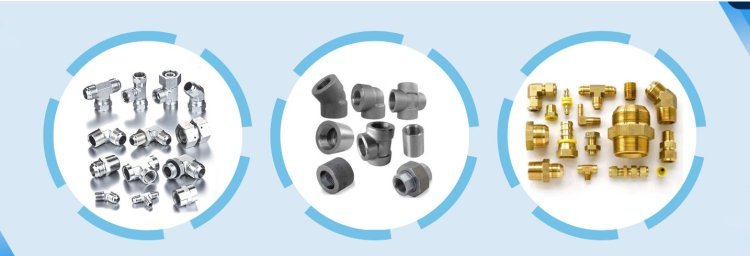
Gate valves play a critical role in water treatment plants by regulating the flow of water and ensuring efficient operations. These valves are essential for controlling large volumes of liquid with minimal pressure drop. Without proper gate valves, managing water treatment processes would be challenging, leading to inefficiencies and potential system failures.
Gate valves function by lifting a barrier (or gate) to allow fluid to flow or lowering it to stop the flow. This design makes them ideal for on/off applications, providing a tight seal when closed. Due to their robust construction, gate valves are widely used in various industries, including municipal water treatment plants, wastewater facilities, and industrial processing systems.
Understanding the Importance of Gate Valves in Water Treatment Plants
Gate valves in water treatment plants ensure seamless water distribution, allowing operators to manage water flow precisely. Their benefits include:
-
Minimal pressure drop: The design of gate valves enables free-flowing movement when fully open, reducing resistance.
-
Tight shut-off capabilities: The ability to completely seal off flow prevents leaks and contamination.
-
Durability: Constructed from materials such as stainless steel, ductile iron, and brass, gate valves can withstand harsh conditions.
-
Versatility: Gate valves accommodate various water treatment processes, including filtration, sedimentation, and disinfection.
The proper selection and maintenance of gate valves are crucial to ensuring the efficiency of water treatment operations.
Types of Gate Valves Used in Water Treatment Plants
Water treatment plants utilize different types of gate valves based on their specific requirements. The most common types include:
1. Rising Stem Gate Valves
Rising stem gate valves feature a threaded stem that moves up when the valve is opened and down when closed. These valves are beneficial for applications requiring visual confirmation of the valve's position.
Advantages:
-
Clear indication of open or closed status
-
Reduced risk of improper operation
-
Ideal for large-scale water treatment plants
2. Non-Rising Stem Gate Valves
Non-rising stem gate valves have a threaded stem that rotates within the valve body, making them suitable for confined spaces where vertical clearance is limited.
Advantages:
-
Compact design
-
Suitable for underground installations
-
Less exposure to external elements, reducing maintenance
3. Metal-Seated vs. Resilient-Seated Gate Valves
Gate valves can have either metal or resilient seats, affecting their sealing capabilities and durability.
-
Metal-seated gate valves: Suitable for high-pressure applications, resistant to wear and tear.
-
Resilient-seated gate valves: Feature an elastomer-coated gate for improved sealing, commonly used in potable water applications.
How Gate Valves Improve Water Treatment Efficiency
Water treatment plants rely on gate valves to streamline operations. Their key contributions include:
1. Enhanced Flow Control
Gate valves provide precise on/off control, ensuring consistent water pressure and preventing overflows.
2. Leak Prevention
A properly maintained gate valve prevents leaks, reducing water wastage and ensuring optimal resource management.
3. Corrosion Resistance
Modern gate valves are constructed from corrosion-resistant materials, ensuring longevity in harsh water treatment environments.
Installation and Maintenance of Gate Valves in Water Treatment Plants
Proper installation and maintenance of gate valves are crucial for their longevity and performance.
Installation Best Practices
-
Ensure correct valve orientation based on flow direction.
-
Use appropriate gaskets and sealing materials to prevent leaks.
-
Securely tighten bolts to maintain structural integrity.
-
Test the valve post-installation to confirm proper function.
Maintenance Guidelines
-
Conduct regular inspections for signs of wear or corrosion.
-
Lubricate moving parts to ensure smooth operation.
-
Replace damaged seals or seats to maintain tight shut-off capabilities.
-
Monitor for pressure fluctuations that could indicate valve issues.
Common Issues with Gate Valves and How to Fix Them
Valve Sticking
Gate valves may become stuck due to debris accumulation. Cleaning and lubrication can resolve this issue.
Leakage
Worn-out seals or improper installation can cause leaks. Replacing seals and ensuring correct installation will help.
Corrosion
Exposure to chemicals and harsh water conditions may lead to corrosion. Using corrosion-resistant materials and protective coatings can mitigate this problem.
Future Innovations in Gate Valve Technology
Advancements in gate valve technology continue to improve efficiency in water treatment plants. Smart valve systems with remote monitoring capabilities are gaining popularity, allowing operators to track valve performance in real-time and detect issues before they become critical.
Conclusion
Gate valves are an essential component in water treatment plants, ensuring efficient flow control, leak prevention, and long-term reliability. Understanding their types, installation, maintenance, and troubleshooting ensures optimal performance. Investing in high-quality gate valves and following best practices will improve the efficiency and sustainability of water treatment operations.