Best Azure Data Factory Training in Hyderabad
Azure certifications are structured to provide a clear learning path. Starting with fundamentals, you can advance to associate and expert levels, aligning your training with your career goals.
 azuretrainings
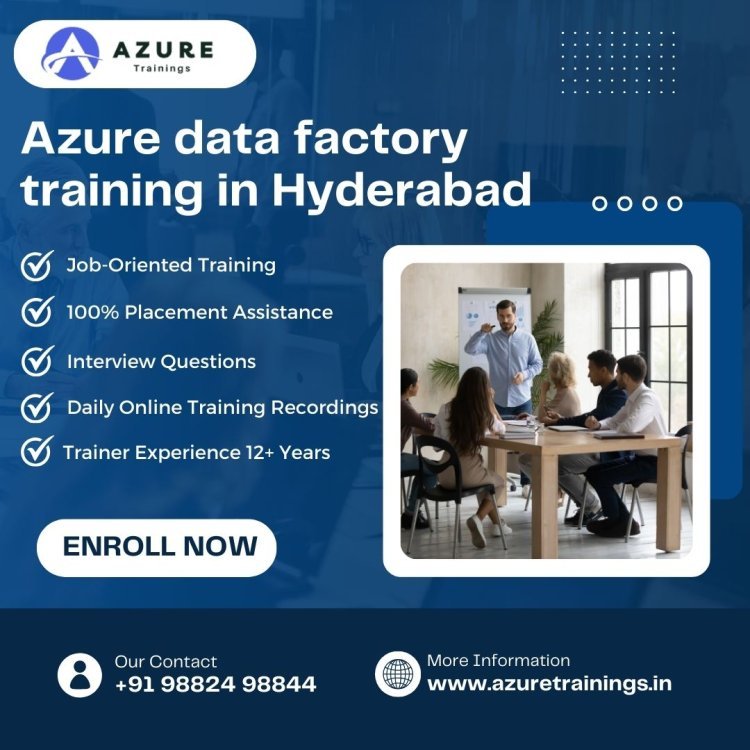
In the era of big data, the ability to efficiently integrate, transform, and manage data from diverse sources is critical for businesses. Microsoft Azure Data Factory (ADF) stands out as a powerful cloud-based data integration service that orchestrates data workflows seamlessly. For data professionals looking to enhance their skills and organizations aiming to streamline their data processes, comprehensive Azure Data Factory training is essential.
Why Azure Data Factory?
Azure Data Factory offers several compelling benefits for data integration and management:
- Scalability: ADF can handle data integration projects of any scale, from small datasets to large-scale enterprise solutions.
- Flexibility: It supports a wide range of data sources, including on-premises, cloud, and third-party services, enabling comprehensive data integration.
- Cost-Effective: With pay-as-you-go pricing, ADF provides a cost-efficient solution for data integration and transformation needs.
- Ease of Use: ADF’s intuitive interface and visual tools make it accessible for both novice and experienced users.
- Automation: ADF automates data workflows, reducing the need for manual intervention and increasing efficiency.
The Importance of Azure Data Factory Training
Investing in Azure Data Factory training equips you with the skills to leverage its full potential. Here are some key benefits:
- Career Advancement: Proficiency in ADF is a valuable skill in the data industry, opening up new career opportunities and enhancing your professional profile.
- Operational Efficiency: Training enables you to streamline your organization’s data workflows, leading to more efficient and accurate data processing.
- Enhanced Data Management: ADF training provides the knowledge to effectively manage, integrate, and transform data from multiple sources.
- Innovation: With ADF’s advanced capabilities, training empowers you to implement innovative data solutions within your organization.
Key Components of Azure Data Factory Training
Azure Data Factory training encompasses various aspects, from basic concepts to advanced techniques. Here are the key components:
1. Fundamentals
Introduction to Azure Data Factory: This module covers the basics of ADF, including its architecture, components, and core concepts. Key topics include:
- Overview of Azure Data Factory
- Key features and benefits
- Understanding ADF architecture
- ADF components (pipelines, datasets, linked services, and triggers)
2. Data Integration
Connecting and Collecting Data: Learn how to connect ADF to various data sources, both on-premises and cloud-based. Key topics include:
- Setting up linked services to connect data sources
- Creating datasets for data representation
- Using ADF connectors for different data sources (SQL Server, Azure Blob Storage, Azure Data Lake, etc.)
- Managing data ingestion from diverse sources
3. Data Transformation
Data Flow and Transformation: This module focuses on transforming data within ADF using data flows. Key topics include:
- Understanding mapping data flows
- Creating data flow transformations (filter, join, aggregate, etc.)
- Using built-in transformations for data cleaning and preparation
- Implementing complex data transformations
4. Orchestration
Building and Orchestrating Pipelines: Learn how to design and orchestrate data workflows using ADF pipelines. Key topics include:
- Creating and managing pipelines
- Using activities and triggers to automate workflows
- Implementing control flow (conditional execution, loops, etc.)
- Scheduling and monitoring pipelines
5. Advanced Concepts
Advanced Data Factory Features: Explore advanced features and best practices for optimizing ADF performance. Key topics include:
- Implementing CI/CD for ADF
- Monitoring and troubleshooting data workflows
- Optimizing performance and cost management
- Best practices for secure data integration
Hands-On Labs and Real-World Projects
ADF training programs often include hands-on labs and real-world projects to reinforce theoretical knowledge and develop practical skills. Through these experiences, you can:
- Connect to various data sources and ingest data
- Create and manage pipelines for data workflows
- Implement complex data transformations
- Automate and monitor data processed
- Apply best practices for performance and security
Certification Pathways
Azure offers certifications to validate your expertise in ADF. These certifications not only enhance your credibility but also provide a clear learning path. Key certifications include:
- Microsoft Certified: Azure Data Engineer Associate: This certification demonstrates your skills in integrating, transforming, and consolidating data from various sources using ADF and other Azure data services.
- Microsoft Certified: Azure Solutions Architect Expert: This certification validates your ability to design and implement solutions on Azure, including data integration using ADF.
Staying Updated
Azure Data Factory is continuously evolving with new features and updates. To stay current, consider the following:
- Regularly review ADF updates and release notes
- Participate in Azure webinars and online communities
- Subscribe to Azure blogs and newsletters
- Engage in continuous learning through advanced courses and certifications
Conclusion
Azure Data Factory training is a valuable investment for data professionals and organizations seeking to enhance their data integration and management capabilities. Whether you are an aspiring data engineer, a seasoned professional, or an organization looking to optimize your data workflows, ADF offers numerous opportunities to grow and innovate. By obtaining ADF certifications and gaining hands-on experience, you can position yourself as a data integration expert and drive significant value within your organization. Start your Azure Data Factory training journey today and unlock the full potential of data integration in the cloud!