Exploring the Traditional Dhow Boat in Qatar: A Maritime Legacy
Qatar’s cultural and historical heritage is deeply intertwined with the sea. Long before the country became known for its towering skyscrapers and economic boom, it was a land of seafarers, pearl divers, and traders who depended on the Arabian Gulf for their livelihood. Among the most cherished symbols of Qatar’s rich maritime past is the traditional dhow boat—a wooden vessel that has withstood the test of time, evolving from an essential tool for survival to a symbol of heritage and tourism.
 Anderi
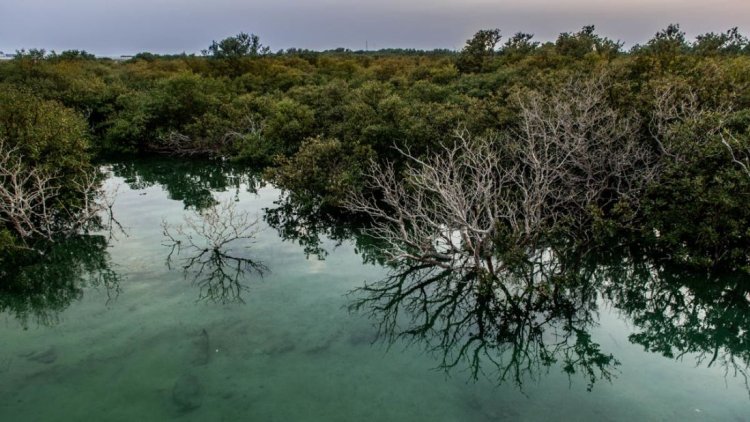
Qatar’s cultural and historical heritage is deeply intertwined with the sea. Long before the country became known for its towering skyscrapers and economic boom, it was a land of seafarers, pearl divers, and traders who depended on the Arabian Gulf for their livelihood. Among the most cherished symbols of Qatar’s rich maritime past is the Traditional Dhow boat In Qatar vessel that has withstood the test of time, evolving from an essential tool for survival to a symbol of heritage and tourism.
Whether you are a history enthusiast, an adventure seeker, or a tourist looking for an authentic experience, embarking on a dhow cruise in Qatar is an unforgettable journey. This article delves into the history, craftsmanship, significance, and modern-day experience of the traditional dhow boat in Qatar.
The History of Dhow Boats in Qatar
The origins of the dhow boat can be traced back centuries when seafaring communities across the Arabian Peninsula and the Indian Ocean relied on these sturdy wooden vessels for fishing, pearl diving, and trade. Qatar, with its prime location along the Arabian Gulf, played a crucial role in regional trade, connecting merchants from India, Africa, and Persia.
During the pre-oil era, Qatar’s economy revolved around the pearl industry. Dhows were used by skilled pearl divers who would embark on months-long voyages in search of these precious gems hidden beneath the sea. These boats were also instrumental in fishing, providing food and sustenance for local communities, and in trade, transporting goods such as spices, textiles, and dates across the Gulf.
With the discovery of oil in the mid-20th century, Qatar’s economic landscape transformed, and the traditional use of dhows declined. However, these boats never lost their cultural significance and have now found new life as tourist attractions and heritage symbols.
The Craftsmanship of Traditional Dhows
The process of building a traditional dhow is an intricate and time-honored craft that has been passed down through generations. Unlike modern shipbuilding techniques that rely on metal and synthetic materials, dhow construction is a meticulous process that requires skill, patience, and an eye for detail.
1. Materials Used
Dhows are traditionally built using hardwood, primarily teak, mahogany, or rosewood, which are known for their durability and resistance to the harsh saltwater conditions of the Gulf. Coconut fibers and natural resins were historically used for sealing and waterproofing the boats.
2. Building Process
Shaping the Hull: Skilled artisans use their experience rather than blueprints to shape the wooden planks and create the iconic curved hull of the dhow.
Assembling Without Nails: Unlike modern vessels, traditional dhows are often assembled using wooden pegs and ropes instead of nails, allowing for flexibility and durability in rough waters.
Carvings and Decorations: Many dhows feature intricate carvings and artistic details that reflect Qatari heritage, with Arabic calligraphy and traditional symbols adorning the woodwork.
Sailing Mechanisms: Early dhows relied on wind-powered sails made from woven cotton or palm leaves, though modern versions incorporate engines for ease of navigation.
Today, Qatar still has skilled dhow builders, particularly in coastal areas where this craftsmanship is preserved as a part of the country’s heritage.
Types of Dhows in Qatar
While the word “dhow” is a broad term, there are several types of dhows used for different purposes. Some of the most common traditional dhow boats in Qatar include:
1. Sambuk
The largest and most elegant type of dhow, the Sambuk was primarily used for pearl diving and long voyages. It features a streamlined shape and large sails, making it ideal for deep-sea journeys.
2. Baggara
A smaller dhow, the Baggara was often used for fishing and short-distance transportation. Its compact size allowed for easy maneuvering in coastal waters.
3. Jalibut
The Jalibut is one of the most versatile dhows, used historically for fishing and regional trade. Today, many of these boats have been converted into modern dhow cruises for tourists.
4. Boom
A large cargo dhow, the Boom was used for trading between the Arabian Gulf, India, and East Africa. These boats played a crucial role in Qatar’s commercial development before the oil era.
Dhow Cruises: A Modern-Day Experience in Qatar
While dhows are no longer essential for pearl diving and trade, they have become a must-do experience for visitors to Qatar. A dhow cruise offers a unique blend of history, culture, and luxury, allowing tourists to enjoy the stunning views of the Doha skyline, the Corniche, and the open sea.
1. Sunset and Dinner Dhow Cruises
One of the most popular tourist activities in Qatar is a dhow dinner cruise. These cruises offer a magical experience with stunning sunset views, live entertainment, and a delicious spread of traditional Qatari and international cuisine. As you sail along the Corniche, you can enjoy breathtaking sights of Doha’s skyline illuminated at night.
2. Private Dhow Charters
For those seeking exclusivity, private dhow charters provide a personalized experience. Whether you’re celebrating a special occasion, hosting a corporate event, or simply enjoying a family gathering, private charters offer tailored services, including live music, gourmet dining, and water activities.
3. Adventure and Fishing Trips
For thrill-seekers, some dhow tours offer fishing, snorkeling, and diving excursions. These trips allow you to experience Qatar’s marine life, swim in crystal-clear waters, and even try traditional fishing techniques.
4. Katara Traditional Dhow Festival
To celebrate its maritime heritage, Qatar hosts the Katara Traditional Dhow Festival annually. This event features traditional dhow races, pearl diving competitions, and cultural performances, providing a glimpse into the nation’s seafaring past.
The Cultural Significance of Dhows in Qatar
The dhow remains a powerful symbol of Qatari culture, appearing in local art, literature, and even the country’s currency. It represents resilience, craftsmanship, and the spirit of exploration that defined Qatar’s early generations.
By preserving and celebrating the legacy of dhows, Qatar ensures that future generations remain connected to their roots while embracing modern advancements.
Why You Should Experience a Dhow Cruise in Qatar
A dhow cruise in Qatar is more than just a boat ride—it is a journey into history, culture, and scenic beauty. Here are a few reasons why you should not miss this experience:
Step Back in Time: Experience the traditional way of sailing and understand the significance of dhows in Qatari history.
Breathtaking Views: Enjoy panoramic views of Doha’s skyline and the Arabian Gulf.
Relaxation and Hospitality: Experience the warmth of Qatari hospitality with traditional music, food, and entertainment.
Unique Cultural Experience: Whether you opt for a dinner cruise, an adventure trip, or a private charter, a dhow ride offers a memorable glimpse into Qatar’s heritage.
Conclusion
The traditional dhow boat in Qatar is more than just a relic of the past—it is a living symbol of the country’s rich maritime heritage and cultural identity. Whether through an elegant cruise along the Corniche, an exhilarating fishing expedition, or a cultural festival, the dhow continues to captivate visitors and locals alike.
For an unforgettable dhow experience, visit Murex Qatar Tours and embark on a timeless journey aboard one of Qatar’s most treasured maritime icons.