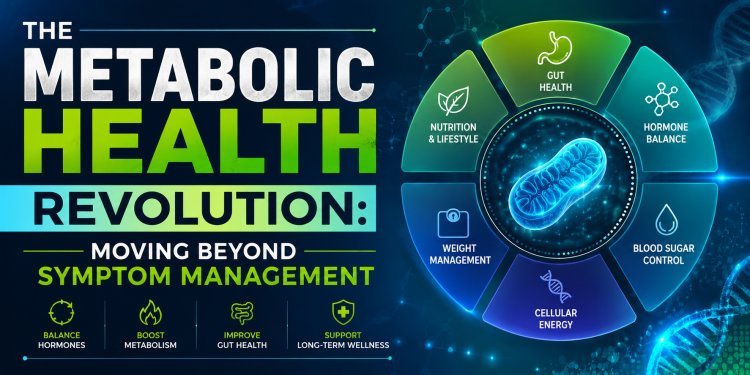
The Metabolic Health Revolution: Moving Beyond Symptom Management
In recent years, healthcare has witnessed a major shift in how chronic diseases are understood and treated. Conditions such as Type 2
 twinhealthindia
In recent years, healthcare has witnessed a major shift in how chronic diseases are understood and treated. Conditions such as Type 2 diabetes, obesity, hypertension, fatty liver disease, and heart disease are no longer viewed as isolated problems. Instead, experts increasingly recognize that many of these conditions share a common foundation: poor metabolic health. This growing awareness has sparked a metabolic health revolution—one that focuses on addressing root causes rather than simply managing symptoms.
For decades, traditional healthcare approaches have primarily centered on symptom control. Patients were often prescribed medications to lower blood sugar, reduce blood pressure, or manage cholesterol levels. While these treatments can be effective, they frequently address the consequences of metabolic dysfunction rather than the underlying factors driving the disease. Today, innovative solutions such as digital twin technology in healthcare are helping transform this approach by enabling highly personalized and proactive care.
Understanding Metabolic Health
Metabolic health refers to how efficiently the body converts food into energy and regulates essential functions such as blood sugar, insulin sensitivity, fat storage, and inflammation. When these processes become imbalanced, individuals may develop chronic conditions that affect their overall well-being.
Poor metabolic health often develops gradually due to a combination of factors including unhealthy eating habits, physical inactivity, inadequate sleep, chronic stress, and genetic predisposition. Because each person's metabolism is unique, generalized treatment plans may not always deliver the best outcomes.
This is where digital twins in healthcare are beginning to play a significant role. By creating a virtual representation of an individual's biological systems, healthcare providers can better understand how specific lifestyle factors influence metabolic function and design interventions tailored to each person.
Why Symptom Management Is No Longer Enough
Traditional healthcare models often focus on treating visible symptoms after they appear. For example, elevated blood sugar may be managed with medication, while weight gain may be addressed through standard diet recommendations. However, these approaches do not always identify why the problem developed in the first place.
The metabolic health revolution emphasizes prevention, personalization, and long-term improvement. Instead of asking, “How do we control this condition?” healthcare professionals are increasingly asking, “What is causing this condition, and how can we reverse it?”
Advances in digital twin technology in healthcare are helping answer that question. By continuously analyzing data related to nutrition, activity levels, sleep patterns, stress, and metabolic responses, digital twin systems can uncover patterns that might otherwise go unnoticed.
How Digital Twins Are Transforming Healthcare
A digital twin for healthcare functions as a dynamic virtual model that mirrors an individual's health status in real time. Data collected from wearable devices, health sensors, and clinical assessments allows the digital twin to learn how a person's body responds to different behaviors and interventions.
For example, two people may eat the same meal but experience completely different blood sugar responses. A digital twin can identify these unique reactions and provide personalized recommendations that support better metabolic outcomes.
The growing adoption of digital twins in healthcare is helping patients move beyond generic advice and receive guidance tailored specifically to their biology. This level of precision enables more effective lifestyle modifications and supports sustainable health improvements.
A New Era of Personalized Care
The future of healthcare is increasingly centered on personalization. As digital twin technology in healthcare continues to evolve, individuals will gain deeper insights into their metabolic health and receive recommendations that adapt to their changing needs.
The metabolic health revolution is not simply about treating disease—it is about empowering people to understand their bodies, make informed decisions, and improve long-term health outcomes. Through innovations like the digital twin for healthcare, healthcare is moving beyond symptom management toward a future focused on prevention, optimization, and lasting wellness.
As this transformation continues, digital twins in healthcare are expected to become a key tool in helping individuals achieve better metabolic health and reduce the burden of chronic disease.