Maximizing Your Ad Spend with Targeted PPC Advertising
In today’s fast-paced digital world, businesses are constantly searching for ways to get the most out of their advertising budgets. One of the most effective methods for driving traffic and increasing conversions is PPC advertising. This article will guide you through the process of maximizing your ad spend with targeted PPC strategies, ensuring that your marketing dollars are well spent.
 Referral Program
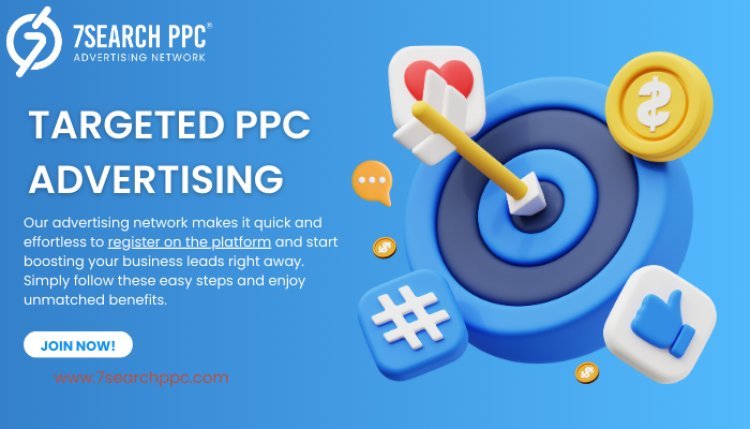
In today’s fast-paced digital world, businesses are constantly searching for ways to get the most out of their advertising budgets. One of the most effective methods for driving traffic and increasing conversions is PPC advertising. This article will guide you through the process of maximizing your ad spend with targeted PPC strategies, ensuring that your marketing dollars are well spent.
What is PPC Advertising?
PPC (Pay-Per-Click) advertising is a digital marketing strategy where advertisers pay a fee each time their ad is clicked. It’s essentially a way to buy visits to your site, rather than trying to earn those visits organically. This form of advertising can take place on search engines, social media platforms, and other ad networks across the internet. The key to success lies in understanding how to target the right audience, craft effective ads, and optimize campaigns for maximum return on investment (ROI).
How Does PPC Advertising Work?
PPC ads appear at the top of search engine results pages (SERPs) or across websites in the form of display ads. Advertisers bid on specific keywords related to their product or service, and when a user searches for that keyword, the ad may appear. If the user clicks the ad, the advertiser pays the bid amount.
The Benefits of Targeted PPC Advertising
Targeted PPC advertising offers several advantages that help businesses reach the right audience at the right time. Some of the top benefits include:
Cost Efficiency
Unlike traditional forms of advertising where you pay upfront for ad space, PPC allows you to only pay when someone clicks your ad. This ensures that your marketing budget is spent on driving actual traffic to your site.
Targeted Reach
PPC platforms, such as Google Ads, allow you to set specific targeting criteria, such as location, demographics, interests, and device types. This ensures your ads are shown to users who are most likely to convert.
Measurable Results
PPC advertising provides detailed analytics and reporting, allowing you to track metrics like clicks, impressions, and conversions. This data helps optimize campaigns and ensure that ad spend is allocated effectively.
Immediate Traffic
Unlike organic search engine optimization (SEO), which can take months to show results, PPC ads generate immediate traffic as soon as they are live.
Flexibility and Control
With PPC, you have complete control over your budget, targeting options, and ad copy. This flexibility allows you to adjust campaigns in real-time to meet your goals.
Crafting Effective PPC Ads
To maximize your ad spend with PPC advertising, it’s crucial to craft ads that capture attention and encourage clicks. Here’s how you can optimize your PPC ad campaigns:
Choose the Right Keywords
Keyword research is the foundation of any successful PPC campaign. Use tools like Google Keyword Planner or SEMrush to find keywords that are relevant to your business and have a good balance between search volume and competition. Focus on long-tail keywords to target more specific user queries.
Write Compelling Ad Copy
Your ad copy should be clear, concise, and compelling. Highlight the unique value of your product or service and include a strong call-to-action (CTA) that encourages users to click. Be sure to include your primary keyword in the headline and description for relevancy.
Optimize Landing Pages
A well-optimized landing page is essential for converting clicks into customers. Ensure your landing page is relevant to the ad, loads quickly, and provides users with the information they’re looking for. Include a clear CTA on the page to guide users towards conversion.
Optimizing PPC Campaigns for Maximum ROI
Once you’ve set up your PPC campaigns, the next step is to continually optimize them for maximum efficiency and return on investment.
Use Negative Keywords
Negative keywords prevent your ads from appearing in irrelevant searches. By adding negative keywords to your campaigns, you can filter out traffic that is unlikely to convert, saving ad spend for more qualified leads.
Test and Refine Ads
A/B testing different elements of your PPC ads (such as headlines, descriptions, and CTAs) is essential for finding what resonates best with your audience. Continuously refine your ads based on performance data to improve click-through rates (CTR) and conversion rates.
Monitor Quality Score
Google uses a metric called Quality Score to determine the relevance and quality of your PPC ads. A higher Quality Score can lead to lower costs per click (CPC) and better ad placement. To improve your Quality Score, focus on keyword relevance, ad copy, and landing page experience.
Set a Clear Budget
One of the benefits of PPC advertising is the ability to set daily or monthly budgets. It’s important to track your spending and adjust your budget based on the performance of your ads. Increase the budget for high-performing campaigns and reduce spend on underperforming ads.
Using Ad Networks to Maximize Reach
PPC advertising is not limited to Google Ads. There are several ad networks that can help expand your reach and maximize your ad spend.
Google Display Network (GDN)
The Google Display Network allows advertisers to place online ads on millions of websites, blogs, and apps. Display ads can be in the form of banners, videos, or rich media, helping you reach a larger audience beyond search engine results.
Social Media Advertising
Platforms like Facebook, Instagram, and LinkedIn offer PPC advertising options that allow you to target users based on their interests, behaviors, and demographics. Social media ads are a great way to engage users and drive traffic to your site.
Programmatic Advertising
Programmatic advertising uses AI and machine learning to automate the buying of ads in real-time. This method allows you to target users more effectively and optimize campaigns for better results.
Best Practices for Display Ads
In addition to text-based PPC ads, display ads play a key role in building brand awareness and engaging users. Here are some best practices for creating effective display ads:
Use Eye-Catching Visuals
Display ads rely heavily on visuals, so make sure your images or videos are attention-grabbing and align with your brand’s message.
Keep the Message Clear and Simple
Since display ads are often viewed quickly, it’s important to keep your message clear and to the point. Use bold headlines and concise text to convey your value proposition.
Include a Strong Call-to-Action
A clear and compelling CTA is essential for encouraging users to click on your ad. Whether it’s “Shop Now” or “Learn More,” make sure your CTA stands out.
Target the Right Audience
Use precise targeting options available through ad networks to ensure your display ads are reaching the right audience. This includes setting parameters like demographics, location, and interests.
Conclusion
PPC advertising is one of the most effective ways to drive targeted traffic to your website and maximize your ad spend. By following best practices such as keyword research, ad copy optimization, and continuous testing, you can ensure your PPC campaigns deliver a strong return on investment. Additionally, leveraging ad networks and display ads can help expand your reach and drive even more conversions. Whether you’re new to PPC or looking to refine your strategy, these tips will help you achieve better results and get the most out of your online ads.
FAQs About PPC Advertising
What is the difference between PPC advertising and SEO?
PPC advertising involves paying for ad placements and immediate traffic, while SEO is the process of optimizing your website for organic search results. Both have their place in a well-rounded digital marketing strategy.
How much should I spend on PPC advertising?
There’s no one-size-fits-all answer. The amount you spend on PPC depends on your business goals, industry, and competition. Start with a budget you’re comfortable with and adjust based on performance.
What is the role of Quality Score in PPC?
Quality Score is a metric used by Google to determine the relevance and quality of your ads. A higher Quality Score leads to lower costs per click and better ad placements.
How do I choose the right keywords for my PPC campaign?
Use keyword research tools like Google Keyword Planner to find keywords with a good balance of search volume and competition. Focus on long-tail keywords for more specific targeting.
Can I use PPC advertising on social media platforms?
Yes, most social media platforms, including Facebook, Instagram, and LinkedIn, offer PPC advertising options that allow you to target specific user demographics and interests.