How to Build a Car Rental App Like Turo: Complete Guide
 davidblair
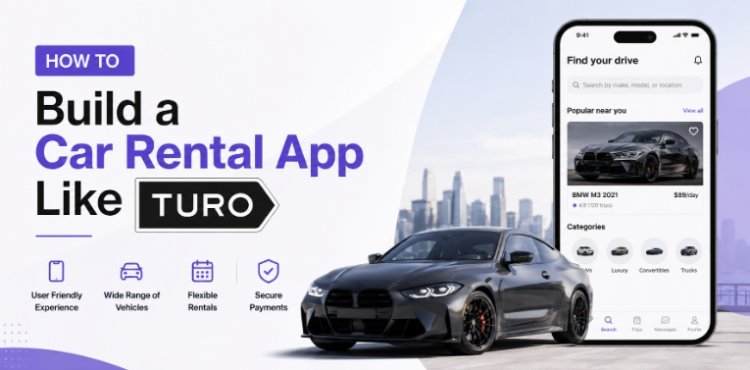
The way people access transportation is changing rapidly. Traditional car rental models are being replaced by digital platforms that offer convenience, flexibility, and instant access to vehicles. With smartphones becoming central to everyday services, entrepreneurs are exploring new mobility solutions that connect vehicle owners with people who need short-term transportation.
An App like Turo represents this shift by creating a peer-to-peer marketplace where individuals can list their vehicles and renters can book cars through a digital platform. This business model has gained attention because it allows customers to access a wider range of vehicles while allowing owners to generate income from their unused cars.
Building a successful platform in this space requires more than just a mobile application. Businesses need to consider marketplace operations, user experience, payment systems, vehicle management, security, and scalability. Choosing the right technology partner with experience in mobility solutions can help turn an idea into a reliable digital service.
The Growing Demand for Peer-to-Peer Car Rental Platforms
The transportation industry has experienced a major shift toward shared mobility. Many users today prefer access over ownership, especially in urban areas where maintaining a personal vehicle can be expensive.
Digital rental platforms address this changing preference by providing:
- Quick access to vehicles
- Flexible rental periods
- Transparent pricing
- Multiple vehicle choices
- Convenient booking experiences
This demand has encouraged businesses to invest in car sharing app development and create platforms that simplify vehicle rentals through technology.
Unlike traditional rental companies that depend on large physical fleets, peer-to-peer platforms can expand by allowing individual vehicle owners and small businesses to participate. This marketplace approach creates opportunities for both entrepreneurs and vehicle providers.
What Makes an App Like Turo Successful?
A successful vehicle-sharing platform focuses on trust, convenience, and smooth interactions between users. The technology behind the application must support multiple stakeholders, including renters, vehicle owners, and administrators.
A typical platform includes three major components:
Customer Application
The customer-facing app allows users to:
- Search available vehicles
- Compare options
- View vehicle details
- Reserve cars
- Make payments
- Provide ratings and feedback
A simple and intuitive interface is essential because users expect quick results when searching for transportation.
Vehicle Owner Application
Vehicle owners need tools to manage their listings effectively. Important functions include:
- Adding vehicle information
- Uploading images
- Setting availability
- Managing booking requests
- Tracking earnings
These features encourage more owners to participate and keep vehicle inventory active.
Admin Dashboard
The administrative panel helps businesses monitor and control operations. It can include:
- User management
- Booking oversight
- Payment tracking
- Dispute management
- Analytics reports
A strong backend system ensures that the platform remains efficient as the number of users increases.
Essential Features for Car Rental App Development
When planning car rental app development, businesses should focus on features that improve usability and operational efficiency.
Advanced Search and Filters
Users should be able to find suitable vehicles based on location, price, vehicle category, availability dates, and other preferences.
Digital Booking System
A reliable reservation system allows customers to check availability, confirm rental periods, and receive booking details instantly.
Secure Payment Processing
Integrated payment solutions make transactions easier while improving customer confidence. The platform should support secure payment handling, invoices, and transaction records.
Identity Verification
Trust is one of the biggest challenges in peer-to-peer rentals. Identity checks, document verification, and secure user profiles help create a safer environment.
GPS and Location Services
Location-based technology helps users find nearby vehicles and allows businesses to improve tracking and management.
Reviews and Ratings
Feedback systems allow users to share experiences and help maintain service quality across the platform.
Choosing the Right Development Approach
Businesses planning a mobility platform generally consider different development approaches depending on their goals, timeline, and budget.
Custom Platform Development
A custom-built solution provides greater flexibility. Businesses can create unique features, integrate specific technologies, and design experiences based on their target audience.
This approach is suitable for companies that want complete control over the platform and plan long-term expansion.
Ready-Made Solutions
Some businesses choose pre-built frameworks that provide basic rental marketplace functionality. These solutions can reduce initial development time while allowing customization.
However, companies should carefully evaluate performance, security, scalability, and future upgrade possibilities before selecting this approach.
Understanding Alternative Rental Platforms
The success of established platforms has inspired entrepreneurs to explore a Turo alternative platform that focuses on specific markets, regions, or customer needs.
Instead of directly copying existing models, businesses often customize their platforms by introducing features such as:
- Specialized vehicle categories
- Local market pricing models
- Corporate rental options
- Subscription-based access
- Electric vehicle sharing
A successful alternative focuses on solving specific customer problems rather than simply replicating another platform.
Role of White-Label Solutions in the Rental Industry
Businesses that want to launch faster may explore white-label car rental software. These solutions provide a foundation with commonly required features, allowing companies to customize branding and workflows.
They can include tools for:
- Vehicle listings
- Booking management
- Payment processing
- Customer accounts
- Administrative controls
While these solutions can accelerate deployment, businesses should ensure that the software supports future growth and offers enough flexibility for customization.
How a Turo Clone Concept Works
The idea behind a Turo clone is based on creating a similar marketplace structure where users can rent vehicles from independent owners or fleet providers.
However, successful platforms should not focus only on replicating existing applications. They should improve the user experience by understanding customer expectations and market requirements.
Important considerations include:
- Building trust between users
- Simplifying booking processes
- Maintaining vehicle quality
- Providing reliable customer support
- Ensuring secure transactions
A well-planned marketplace can create value by improving accessibility and convenience.
Importance of Car Rental Management Software
As a rental platform grows, managing vehicles and bookings manually becomes challenging. This is where car rental management software helps businesses organize their operations.
Such systems allow companies to handle:
- Vehicle availability
- Reservation schedules
- Customer information
- Revenue tracking
- Maintenance records
- Business analytics
Efficient management tools reduce operational complexity and help businesses make better decisions using real-time information.
Steps to Create a Car Rental App Like Turo
Businesses interested in building this type of platform should follow a structured process.
Market Research
Understanding customer behavior, competitors, and regional transportation needs helps define the right business model.
Feature Planning
The next step is identifying essential features for customers, vehicle owners, and administrators.
UI/UX Design
The application should provide a simple experience where users can easily search, book, and manage rentals.
Development and Testing
The development process includes building mobile applications, backend systems, payment integrations, and security features. Thorough testing ensures reliability before launch.
Continuous Improvement
After launch, businesses should analyze user feedback and update the platform according to changing expectations.
Future Trends in Shared Mobility Platforms
The future of car-sharing technology will be influenced by automation, sustainability, and connected vehicles.
Some emerging trends include:
- Artificial intelligence-based recommendations
- Electric vehicle sharing
- Automated pricing systems
- Digital identity verification
- Connected vehicle integration
These advancements will help platforms deliver more personalized and efficient transportation experiences.
Conclusion
The growing popularity of shared mobility has created opportunities for businesses to develop digital platforms that connect vehicle owners and renters. An App like Turo demonstrates how technology can transform traditional rental services into flexible marketplace solutions.
Creating a successful platform requires careful planning, user-focused design, reliable technology, and efficient management systems. Businesses entering this industry should focus on building trust, improving convenience, and addressing specific customer needs rather than simply following existing models.
As transportation continues to evolve, digital rental platforms will play an important role in shaping how people access vehicles in the future.