How Seamless Checkout Experiences Increase Conversion Rates?
Learn why wishlist features are essential for ecommerce success. Explore how they drive return visits, improve conversions, enhance customer retention, and support business growth.
 AbdulRahman
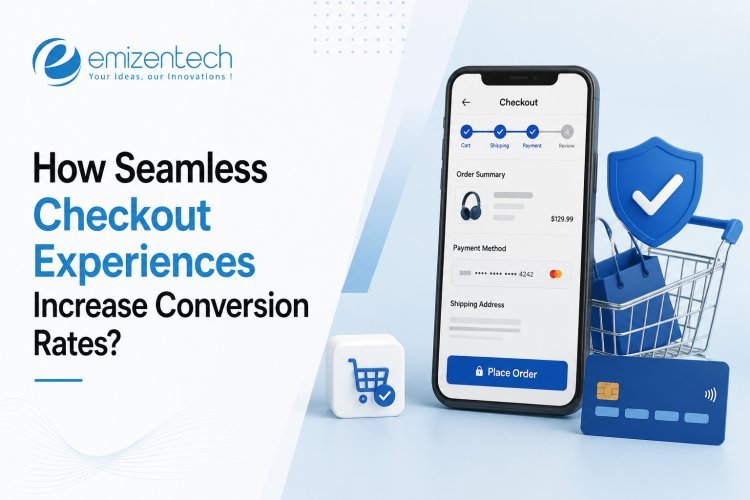
Conversion rates play a crucial role in determining the success of any ecommerce business. While attracting visitors to an online store is important, converting those visitors into paying customers is what drives revenue and growth. One of the most influential factors in this process is the checkout experience.
The checkout stage is where customers make their final purchasing decision. If the process is slow, confusing, or requires unnecessary steps, shoppers may abandon their carts before completing the transaction. On the other hand, a smooth and intuitive checkout journey can encourage customers to finalize their purchases with confidence.
A seamless checkout experience removes barriers that might interrupt the buying process. By making transactions faster, simpler, and more secure, businesses can improve customer satisfaction while increasing sales. This article explores the importance of seamless checkout experiences, the features that define them, and how they contribute to higher conversion rates.
What Is a Seamless Checkout Experience?
A seamless checkout experience refers to a streamlined and user-friendly purchasing process that allows customers to complete transactions with minimal effort. It focuses on reducing friction, eliminating unnecessary steps, and providing a clear path from cart to payment confirmation. Features such as simplified forms, secure payment options, transparent pricing, mobile responsiveness, and fast loading times help create a smooth checkout journey. Businesses investing in eCommerce app development Dubai often prioritize seamless checkout functionality to enhance customer satisfaction and reduce cart abandonment rates. The goal is to make purchasing convenient while maintaining customer trust and confidence throughout the transaction process.
Why Checkout Experience Matters for Ecommerce Conversions?
The checkout process is often the deciding factor between a completed purchase and an abandoned cart. Even customers who are highly interested in a product may leave if the final steps are complicated or time-consuming.
- Customers expect a fast and hassle-free purchasing journey.
- Complex checkout procedures can create frustration and uncertainty.
- Long forms and unnecessary steps increase abandonment rates.
- A smooth process builds trust and encourages purchase completion.
- Clear pricing and payment information reduce last-minute hesitation.
- Mobile-friendly checkout experiences improve conversions among smartphone users.
- Faster transactions help businesses capture sales before customers lose interest.
- Positive checkout experiences contribute to customer loyalty and repeat purchases.
Key Features of a Seamless Checkout Experience
A successful checkout process combines convenience, speed, transparency, and security. Businesses that prioritize these elements create a more enjoyable shopping experience that encourages customers to complete their purchases.
Guest Checkout Options
Guest checkout allows customers to make purchases without creating an account. This reduces barriers for first-time buyers and helps speed up transactions by eliminating unnecessary registration requirements during the purchasing process.
One-Page Checkout Design
A one-page checkout layout consolidates all essential information into a single screen. Customers can review products, enter shipping details, and complete payments without navigating through multiple pages or steps.
Multiple Secure Payment Methods
Offering various payment options accommodates different customer preferences. Credit cards, digital wallets, online banking, and alternative payment methods provide flexibility while ensuring secure and convenient transactions for shoppers.
Autofill and Saved Customer Information
Autofill functionality reduces manual data entry and speeds up the checkout process. Returning customers benefit from saved information, allowing them to complete purchases quickly while minimizing potential input errors.
Mobile-Friendly Checkout Processes
Mobile optimization ensures customers can easily navigate and complete transactions on smartphones and tablets. Responsive design, simplified layouts, and touch-friendly interfaces enhance usability across different devices.
Transparent Pricing and Shipping Details
Displaying all costs upfront prevents unexpected surprises during checkout. Clear information regarding taxes, shipping fees, and delivery timelines helps build trust and reduces the likelihood of cart abandonment.
The Role of Seamless Checkout in Improving Conversions
A frictionless checkout process directly influences customer behavior and purchasing decisions. Businesses that simplify transactions often experience improved conversion performance and stronger customer engagement.
Reducing Cart Abandonment Rates
Many customers abandon their carts when checkout becomes overly complicated. Streamlined processes eliminate unnecessary obstacles, making it easier for shoppers to complete purchases without frustration or delays.
Building Customer Trust and Confidence
Secure payment gateways, transparent policies, and clear communication reassure customers throughout the transaction process. Increased confidence often leads to higher purchase completion rates and stronger brand credibility.
Accelerating Purchase Completion
Faster checkout experiences help customers move from product selection to payment confirmation quickly. Reduced transaction times minimize distractions and decrease the chances of shoppers leaving before completing purchases.
Enhancing the Mobile Shopping Experience
As mobile commerce continues to grow, optimized checkout experiences become increasingly important. Smooth mobile transactions encourage customers to finalize purchases conveniently from their preferred devices.
Encouraging Repeat Purchases
Positive checkout experiences leave lasting impressions on customers. When transactions are simple and efficient, shoppers are more likely to return for future purchases and recommend the brand to others.
Common Checkout Mistakes That Hurt Conversion Rates
Even well-designed ecommerce platforms can lose potential sales due to avoidable checkout issues. Identifying and addressing these problems is essential for maximizing conversions and improving customer satisfaction.
Mandatory Account Creation
Requiring customers to register before making a purchase creates unnecessary friction. Many shoppers prefer completing transactions quickly and may abandon their carts when forced to create accounts.
Long and Complex Forms
Extensive forms requiring excessive information can overwhelm customers. Simplifying data collection and requesting only essential details helps create a faster and more user-friendly checkout experience.
Hidden Charges at Checkout
Unexpected fees introduced late in the purchasing process often discourage customers. Transparent pricing helps maintain trust and reduces the risk of shoppers abandoning their carts before payment.
Limited Payment Options
Restricting available payment methods can prevent customers from completing purchases. Offering multiple secure payment choices accommodates diverse preferences and improves transaction convenience.
Poor Mobile Optimization
Checkout processes that are difficult to navigate on mobile devices can significantly impact sales. Responsive design and mobile-friendly interfaces help ensure smooth transactions across all screen sizes.
Best Practices for Creating a Seamless Checkout Experience
Implementing proven checkout optimization strategies can improve customer satisfaction and support higher conversion rates. Businesses should continually evaluate and refine their checkout processes to meet evolving customer expectations.
Simplify the Checkout Journey
Reducing the number of required steps makes the purchasing process easier to complete. Clear navigation and logical workflows help customers move through checkout efficiently without confusion.
Optimize for Mobile Users
Mobile shoppers expect fast and responsive experiences. Designing checkout interfaces specifically for smaller screens ensures greater usability and encourages customers to complete their purchases.
Provide Flexible Payment Solutions
Supporting various payment methods improves accessibility and convenience. Customers are more likely to complete transactions when they can choose their preferred payment option.
Use Clear Calls-to-Action
Well-designed call-to-action buttons guide customers through each stage of the checkout process. Clear messaging helps eliminate uncertainty and improves the overall user experience.
Display Trust Signals
Security badges, SSL certificates, and payment verification indicators reassure customers about transaction safety. Visible trust signals help reduce concerns and strengthen purchase confidence.
Continuously Test and Improve Performance
Regular testing helps identify bottlenecks and usability issues within the checkout process. Ongoing optimization ensures the experience remains efficient, effective, and aligned with customer expectations.
The Role of Ecommerce App Development Dubai in Optimizing Checkout Experiences
Modern ecommerce applications require advanced checkout functionality to meet growing customer expectations. Professional development services help businesses create secure, scalable, and conversion-focused checkout systems.
Custom Checkout Flow Development
Businesses can design checkout processes tailored to their target audience and operational requirements. Customized user journeys improve convenience while supporting higher conversion performance.
Advanced Payment Gateway Integration
Reliable payment integrations ensure secure and efficient transactions. Supporting multiple payment methods helps businesses accommodate customer preferences and improve overall purchasing experiences.
Performance and Speed Optimization
Fast-loading applications contribute to smoother checkout experiences. Optimized performance reduces waiting times, minimizes frustration, and helps maintain customer engagement throughout transactions.
Enhanced Security Features
Strong security measures protect customer data and payment information. Advanced encryption, fraud prevention tools, and secure authentication processes build trust and support successful transactions.
Localized User Experience Solutions
Businesses operating in regional markets benefit from localized checkout features. Professional teams providing ecommerce app development Dubai services can integrate region-specific payment methods, currencies, and customer preferences.
Conclusion
A seamless checkout experience is one of the most effective ways to improve ecommerce performance and increase sales. By removing friction, simplifying transactions, and providing secure payment options, businesses can create a more enjoyable shopping journey for customers.
Reducing obstacles during the purchasing process helps lower cart abandonment rates while encouraging more shoppers to complete their transactions. Features such as guest checkout, mobile optimization, transparent pricing, and multiple payment methods all contribute to stronger conversion performance.
Investing in checkout optimization is not only beneficial for immediate sales growth but also for long-term customer retention and loyalty. Businesses seeking to enhance their digital commerce platforms can achieve better results by partnering with experienced providers such as EmizenTech UAE to create efficient, customer-focused checkout experiences.
FAQs
1. What is a seamless checkout experience?
A seamless checkout experience is a simplified purchasing process that enables customers to complete transactions quickly, securely, and with minimal effort.
2. Why do customers abandon their carts during checkout?
Common reasons include complicated forms, mandatory account creation, hidden fees, limited payment options, and poor mobile usability.
3. How does mobile optimization affect checkout performance?
Mobile optimization improves navigation, usability, and transaction completion rates, helping customers make purchases easily from smartphones and tablets.
4. What payment options should an ecommerce store offer?
Businesses should provide multiple secure payment methods, including credit cards, digital wallets, online banking, and other popular payment solutions.
5. How often should checkout processes be optimized?
Regular testing and performance reviews should be conducted to identify issues, improve usability, and align the checkout experience with changing customer expectations.