From Idea to Artwork: Making Patches With a Free Online Design Tool

From Idea to Artwork: Making Patches With a Free Online Design Tool

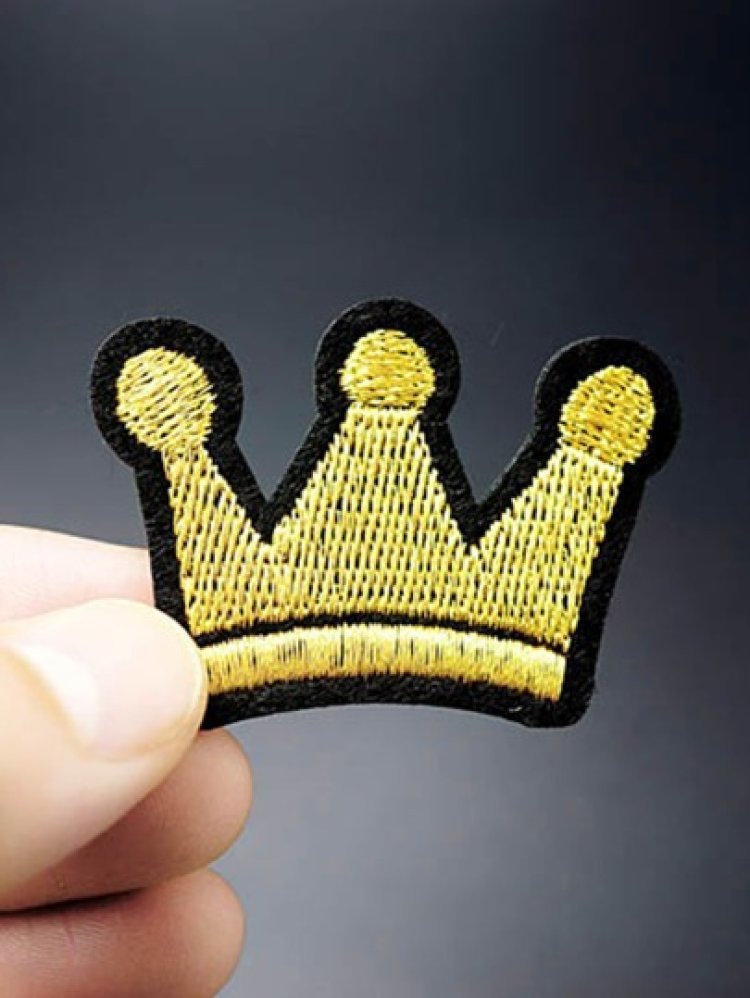
Every custom patch starts as an idea in someone's head — a club logo, a name, a mascot, a joke. The gap between that idea and a finished piece of embroidery used to be filled by a professional designer. Now, a patch maker online free tool can close most of that gap on its own. Here's how these tools work in practice, and what actually happens between "I have an idea" and "I'm wearing the patch."

The Problem These Tools Solve

Before online design tools existed, turning a rough idea into patch-ready artwork usually meant one of two paths: learning embroidery digitizing software yourself, or paying someone else to translate your idea into a usable file. Both took time and money before you even knew if the design would look good.

Free online patch makers remove that upfront cost. You can mock up a design, see it rendered in different materials, and decide whether it's worth producing all before spending a dollar.

Three Ways People Use These Tools

1. Testing an idea quickly. Someone with a rough concept say, a team mascot or a shop logo  uses a free tool just to see if the idea translates well into patch form before committing to anything.

2. Building from a template. Rather than starting blank, many people pick a template close to what they want and adjust the colors, text, and sizing. This is common for anyone ordering multiple similar patches, like a set for a sports team or scout group.

3. Prompting an AI generator. The newest approach: describe the patch in a sentence or two and let an AI tool produce a handful of design directions to react to. This works especially well when you know the vibe you want but not the exact layout.

What a Typical Design Session Looks Like

  • Choose whether the patch will be embroidered, woven, PVC, or leather — each renders differently, so it's worth deciding early.
  • Pick a backing type (iron-on, sew-on, or Velcro) based on how it'll actually be worn or attached.
  • Add your artwork, text, or icons, and adjust the layout until it feels balanced.
  • Switch the preview between material types to check how the design holds up beyond a flat, on-screen look.
  • Save or export the finished design once you're satisfied.

Where AI Design Tools Actually Help — and Where They Don't

AI-based patch generators are genuinely useful for getting past a blank canvas. Describe a concept — a retro fishing club badge, a minimalist geometric emblem — and the tool returns several starting options built around that description.

Where they're less reliable is in the fine details. Precise letter spacing, exact color matching, or unusual custom shapes often still need manual adjustment afterward. Think of AI-generated designs as a rough draft you refine, not a finished file ready for production.

Free Design Tools vs. Paid Alternatives

It helps to think of this less as "free vs. paid" and more as "exploring vs. finalizing."

Free tools are good for:

  • Trying out multiple layout ideas without financial commitment
  • Personal projects or one-off designs
  • Getting a visual sense of how a concept might look as a patch

Paid tools tend to add:

  • Higher-resolution, embroidery-ready export files
  • Commercial usage rights for business branding
  • More advanced customization options

If you're designing for a business or planning a large production run, it's worth checking what a free tool's export limitations are before finalizing anything.

Getting From a Digital File to a Physical Patch

A finished on-screen design isn't the end of the process — it still needs to be manufactured. This step matters as much as the design itself, since even a great layout can come out looking wrong if production quality is inconsistent.

A good custom patch supplier will typically:

  1. Accept your uploaded artwork or finished design file
  2. Confirm material and backing choices with you
  3. Send back a digital proof for approval
  4. Move into production only after you sign off
  5. Ship the finished patches once complete

Skipping the proof step is one of the most common mistakes — it's your last chance to catch sizing, color, or spacing issues before a full batch is produced.

Frequently Asked Questions

Is designing a patch online actually free? In most cases, yes — the design and preview stage costs nothing. Charges usually apply only once you order the physical patches.

Can I use a free template for a business logo? Check the license first. Some templates are personal-use only, while others allow commercial use.

Do I need design experience to use these tools? No — most are built around drag-and-drop editing and pre-made templates specifically so beginners can use them.

Wrapping Up

A patch maker online free tool is genuinely useful for the first 90% of the journey — shaping an idea into a real design you can visualize. The last stretch, actually producing the patch, is where material choice and proofing matter most. Rush Patch handles that production side directly, taking a finished design through material selection and proofing so what you designed on screen matches what you end up wearing.

What's Your Reaction?

like

dislike

love

funny

angry

sad

wow