Enhancing Motor Reliability with Intelligent Control Systems
 lina
lina
Electric motors are essential components in industrial, commercial, and infrastructure operations, powering equipment that drives productivity and operational efficiency. As industries increasingly depend on continuous and reliable motor performance, the need for advanced control and protection systems has become more critical than ever. Unexpected motor failures can lead to costly downtime, equipment damage, and reduced productivity. Intelligent control systems provide real-time monitoring, protection, and diagnostic capabilities that help prevent failures and optimize motor performance. By integrating smart technologies into motor management strategies, organizations can significantly enhance reliability, improve efficiency, and extend equipment lifespan.
The Importance of Motor Reliability
Motors are responsible for powering a wide range of industrial applications, including pumps, compressors, conveyors, fans, and processing equipment. Because these systems often operate continuously, even a minor fault can affect production schedules and operational performance.
Reliable motors contribute to:
- Increased productivity
- Reduced maintenance costs
- Improved energy efficiency
- Enhanced workplace safety
- Greater operational continuity
Maintaining motor reliability requires more than routine maintenance. Modern facilities are increasingly adopting intelligent control systems that provide deeper visibility into motor health and operating conditions.
Understanding Intelligent Motor Control Systems
Intelligent motor control systems combine advanced monitoring, protection, and communication capabilities to improve motor performance and reliability.
Unlike traditional protection methods that react only after faults occur, intelligent systems continuously analyze motor behavior and identify developing issues before they become serious problems.
These systems can monitor:
- Current levels
- Voltage conditions
- Temperature
- Load characteristics
- Operating cycles
- Fault conditions
By collecting and analyzing this information, intelligent controls help operators make informed decisions and prevent unexpected failures.
The Role of Intelligent Motor Management Relays
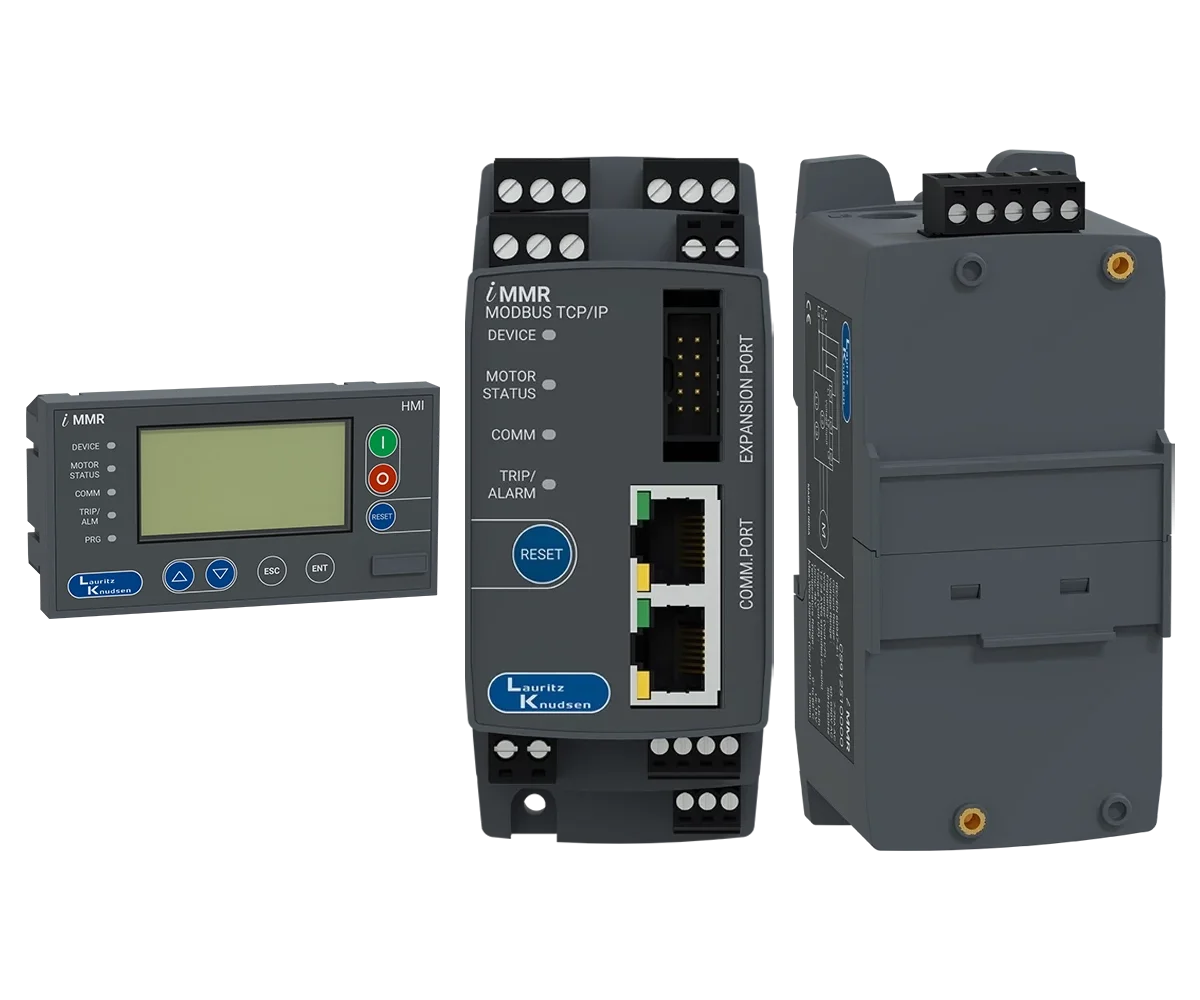
One of the most advanced tools used in modern motor protection is the Intelligent Motor Management Relay. This device provides comprehensive monitoring and protection functions that go beyond traditional motor protection methods.
- Comprehensive Motor Monitoring
An Intelligent Motor Management Relay continuously tracks critical motor parameters and provides valuable insights into equipment performance.
- Advanced Fault Detection
The relay can detect abnormal operating conditions such as overloads, phase imbalances, undercurrents, and voltage fluctuations before they cause significant damage.
- Enhanced Operational Visibility
Detailed diagnostic information helps maintenance teams identify root causes of issues quickly and accurately.
- Improved Asset Protection
By responding rapidly to fault conditions, intelligent relays help minimize equipment damage and reduce downtime.
These capabilities make intelligent relays an important component of modern motor management strategies.
Common Causes of Motor Failures
Understanding why motors fail is essential for implementing effective protection measures.
- Overloading
Excessive mechanical loads can force motors to draw more current than they are designed to handle.
- Voltage Irregularities
Voltage imbalances, under-voltage conditions, and power quality issues can negatively impact motor performance.
- Overheating
Excessive heat can damage motor insulation and shorten equipment lifespan.
- Mechanical Wear
Bearings, shafts, and other mechanical components can deteriorate over time, affecting reliability.
- Environmental Conditions
Dust, moisture, vibration, and temperature extremes can contribute to motor degradation.
Intelligent control systems help detect these conditions early, allowing corrective action before failures occur.
Importance of Overload Protection
Overload conditions are among the most common causes of motor damage. Effective overload protection helps prevent excessive heating and insulation breakdown.
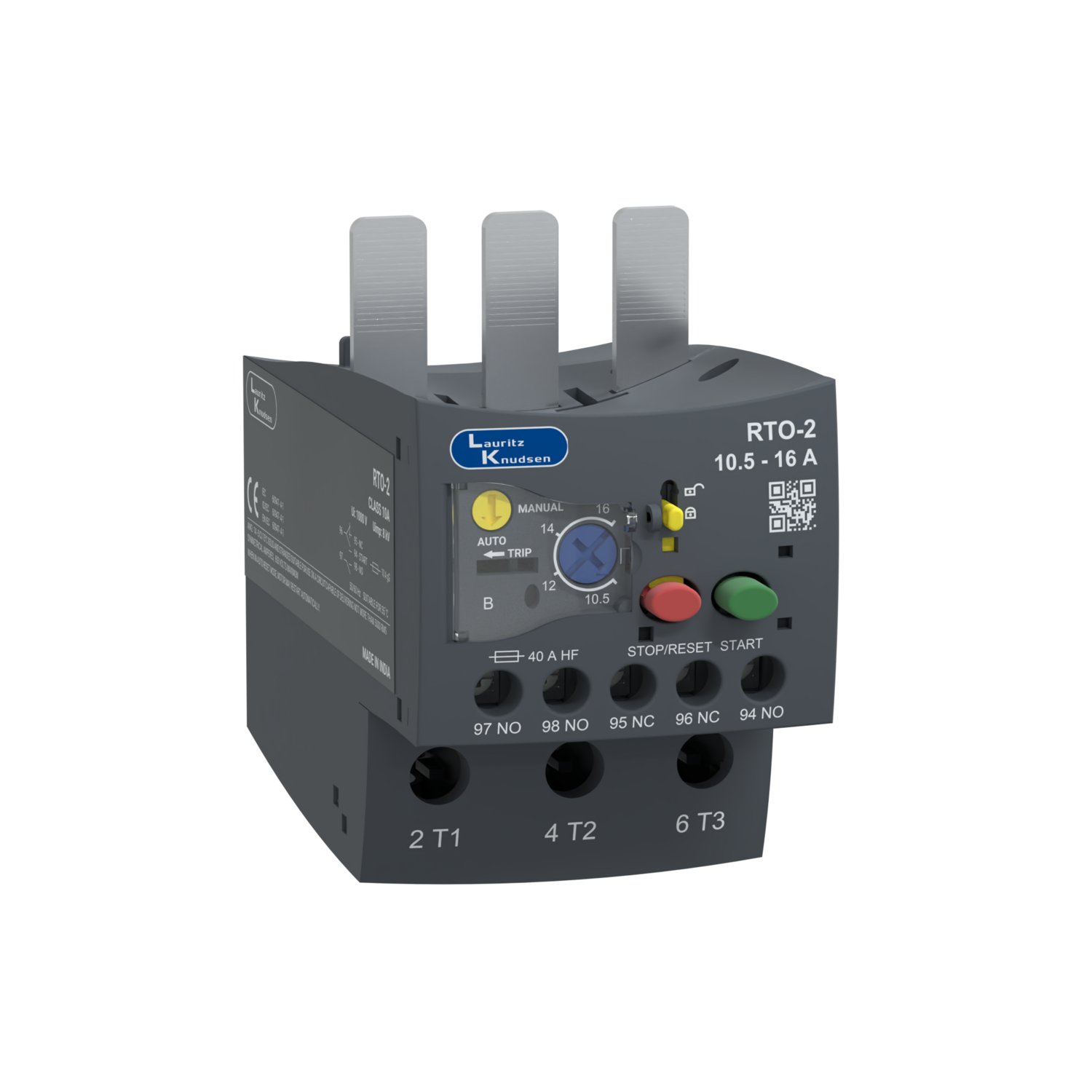
A reliable overload relay monitors motor current and disconnects the motor when unsafe operating conditions are detected.
- Preventing Thermal Damage
The relay protects motor windings from excessive heat generated by prolonged overload conditions.
- Extending Equipment Life
Reducing thermal stress helps maintain motor performance and prolong service life.
- Enhancing Reliability
Effective overload protection minimizes the risk of unexpected failures and costly downtime.
- Supporting Safe Operations
By disconnecting motors before damage occurs, overload protection contributes to a safer working environment.
These benefits make overload relays a critical part of motor protection systems.
Real-Time Monitoring and Diagnostics
One of the greatest advantages of intelligent motor control systems is their ability to provide real-time operational data.
- Continuous Condition Monitoring
Operators can track motor performance continuously rather than relying solely on periodic inspections.
- Early Warning Alerts
Potential issues can be identified before they result in equipment failure.
- Faster Troubleshooting
Detailed fault information helps maintenance teams diagnose and resolve problems efficiently.
- Data-Driven Decision Making
Access to accurate performance data supports better maintenance planning and operational strategies.
Real-time monitoring improves both reliability and overall system efficiency.
Predictive Maintenance for Improved Reliability
Traditional maintenance approaches often rely on fixed schedules that may not accurately reflect actual equipment condition.
Predictive maintenance uses operational data to determine when maintenance is truly required.
- Reduced Downtime
Maintenance activities can be scheduled before equipment failures occur.
- Lower Maintenance Costs
Resources are used more efficiently by focusing attention on equipment that requires service.
- Improved Equipment Availability
Motors spend more time operating and less time undergoing unexpected repairs.
- Better Asset Utilization
Organizations can maximize the value of their equipment investments through proactive maintenance strategies.
The use of an Intelligent Motor Management Relay supports predictive maintenance by providing detailed condition monitoring data.
Energy Efficiency Benefits
Motor reliability and energy efficiency are closely connected. Poorly performing motors often consume more energy than necessary.
- Optimized Motor Operation
Intelligent control systems help maintain motors within optimal operating ranges.
- Reduced Energy Waste
Monitoring and control functions identify inefficiencies that may increase power consumption.
- Improved Load Management
Operators can balance loads more effectively and reduce unnecessary energy usage.
- Enhanced Sustainability
Lower energy consumption contributes to reduced environmental impact and operating costs.
Efficient motor operation benefits both organizational performance and sustainability objectives.
Integrating Smart Technologies
Modern industrial facilities increasingly embrace digital transformation and automation.
- Remote Monitoring
Operators can access motor performance information from centralized control systems.
- Industrial Connectivity
Motor control systems can integrate with automation platforms and energy management systems.
- Advanced Analytics
Data analysis tools provide deeper insights into operational trends and equipment health.
- Automated Responses
Smart systems can take corrective action automatically when abnormal conditions are detected.
These technologies enable more intelligent and responsive motor management strategies.
The Continuing Importance of Overload Relays
Despite the growth of advanced digital technologies, the overload relay remains a fundamental component of motor protection systems.
Modern overload relays offer improved accuracy, faster response times, and better integration with intelligent monitoring platforms.
When combined with advanced monitoring technologies, overload protection becomes even more effective at preventing motor damage and supporting reliable operations.
This layered approach to protection ensures comprehensive coverage for critical motor-driven equipment.
Future Trends in Motor Management
Motor management technologies continue to evolve as industries pursue greater efficiency and reliability.
Emerging developments include:
- Artificial intelligence-driven diagnostics
- Cloud-based monitoring platforms
- Enhanced predictive analytics
- IoT-enabled motor management
- Advanced energy optimization tools
As these innovations become more widespread, organizations will gain even greater visibility into motor performance and reliability.
The future of motor management will focus on preventing failures before they occur while maximizing operational efficiency and asset longevity.
Conclusion
Enhancing motor reliability requires a combination of intelligent monitoring, advanced protection, and proactive maintenance strategies. Modern control systems provide valuable insights into motor performance, helping organizations identify issues early, reduce downtime, and improve operational efficiency. Technologies such as the Intelligent Motor Management Relay and a dependable overload relay play essential roles in protecting motors from damage while supporting long-term reliability. As industries continue to embrace digital transformation and smarter operations, Lauritz Knudsen Electrical & Automation remains committed to delivering innovative, efficient, and future-ready electrical solutions that help organizations achieve superior motor performance and operational excellence.