Ecommerce Development Services: Build an Online Store for Growth
Discover professional ecommerce development services to build secure, scalable, and user-friendly online stores that increase sales and support long-term business growth.
 myvirtualteams
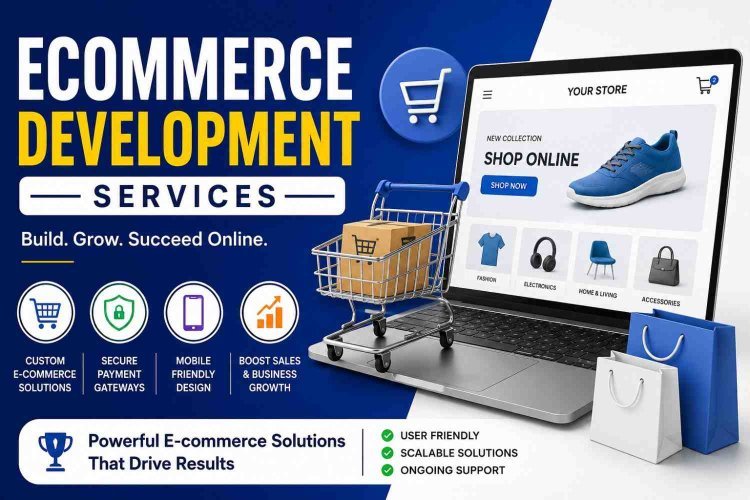
The ecommerce industry has changed the way businesses connect with customers. From startups launching their first products to established brands expanding into new markets, selling online has become essential for long-term success. However, creating an ecommerce website is much more than choosing a template and adding products. A successful online store requires the right strategy, technology, design, and ongoing support.
This is where ecommerce development services play an important role. Professional development services help businesses create secure, scalable, and user-friendly online stores that deliver excellent shopping experiences while supporting business growth.
In this guide, you'll learn what ecommerce development services include, why they matter, the development process, key features, and how to choose the right development partner.
What Are Ecommerce Development Services?
Ecommerce development services cover the complete process of planning, designing, developing, launching, and maintaining an online store. These services help businesses build digital shopping experiences that attract customers, increase conversions, and simplify business operations.
Rather than simply creating a website, ecommerce developers build platforms that integrate payment gateways, inventory systems, customer management tools, shipping providers, analytics, and marketing solutions.
Whether you sell physical products, digital goods, subscriptions, or B2B services, professional ecommerce development ensures your store performs reliably as your business grows.
Why Businesses Invest in Ecommerce Development Services
Launching an online store is easy. Building one that consistently generates revenue is much more challenging.
Professional ecommerce development offers several advantages:
Better User Experience
Customers expect websites to load quickly, look professional, and make shopping effortless. A smooth user experience encourages visitors to stay longer and complete their purchases.
Higher Conversion Rates
Every design element, checkout step, and product page influences buying decisions. Ecommerce developers optimize these areas to reduce abandoned carts and improve sales.
Mobile-First Shopping
Most online shoppers browse and purchase using smartphones. Responsive ecommerce websites deliver consistent experiences across all devices.
Strong Security
Online stores process sensitive customer information. Professional developers implement SSL certificates, secure payment processing, data encryption, and security updates to protect both businesses and customers.
Easy Business Management
Modern ecommerce solutions integrate inventory, order management, customer records, shipping, accounting, and marketing tools into one centralized system.
Core Ecommerce Development Services
Every business has unique goals, but most ecommerce development projects include several essential services.
Ecommerce Website Design
The design of an online store directly impacts customer trust. Developers and designers create visually appealing layouts that reflect your brand while making navigation simple.
The focus remains on usability rather than unnecessary visual effects. Clear product categories, intuitive menus, attractive product pages, and simple checkout processes all contribute to a better shopping experience.
Custom Ecommerce Development
Some businesses need features that standard platforms cannot provide. Custom ecommerce development builds unique functionality tailored to specific business requirements.
Examples include:
- Custom product configurators
- Subscription management
- Multi-vendor marketplaces
- Wholesale pricing systems
- B2B ordering portals
Custom development gives businesses complete flexibility while supporting future growth.
Shopping Cart Development
The shopping cart is one of the most important components of an ecommerce website. It should allow customers to add products, update quantities, apply discounts, estimate shipping costs, and proceed to checkout without confusion.
A streamlined cart reduces abandonment and improves customer satisfaction.
Payment Gateway Integration
Customers expect multiple payment options. Ecommerce development services integrate trusted payment gateways that support secure online transactions.
Popular payment methods include:
- Credit and debit cards
- Digital wallets
- Buy Now, Pay Later services
- Bank transfers
- Regional payment solutions
Fast and secure payment processing builds customer confidence.
Ecommerce Platform Development
Businesses can choose platforms based on their requirements, budget, and scalability.
Popular ecommerce platforms include:
- Shopify
- WooCommerce
- Magento
- BigCommerce
- Adobe Commerce
Each platform offers different advantages depending on the size and complexity of the business.
API and Third-Party Integrations
Modern online stores rely on various business tools working together.
Developers integrate systems such as:
- CRM software
- ERP solutions
- Inventory management
- Shipping providers
- Email marketing platforms
- Analytics tools
- Customer support software
These integrations automate business processes and improve operational efficiency.
Essential Features of a Modern Ecommerce Website
A successful ecommerce website includes much more than attractive product images.
Fast Loading Speed
Customers rarely wait for slow websites. Faster pages improve both user experience and search engine rankings.
Mobile Responsiveness
Every page should function perfectly across smartphones, tablets, laptops, and desktop computers.
Advanced Product Search
Customers should easily find products using filters, categories, keywords, pricing, sizes, brands, and colors.
Secure Checkout
A simplified checkout process minimizes unnecessary steps and increases completed purchases.
Customer Accounts
Allow customers to manage orders, addresses, payment methods, wishlists, and purchase history from one dashboard.
Inventory Management
Automatic inventory updates prevent overselling while helping businesses maintain accurate stock levels.
SEO-Friendly Structure
Well-organized URLs, optimized metadata, schema markup, image optimization, and clean code improve search engine visibility.
The Ecommerce Development Process
Building an ecommerce website involves several carefully planned stages.
Requirement Analysis
Developers first understand business goals, customer expectations, competitors, product catalog size, and future expansion plans.
Planning
Project architecture, technology selection, user journeys, and timelines are finalized before development begins.
UI and UX Design
Wireframes and visual designs are created to ensure intuitive navigation and engaging shopping experiences.
Development
Frontend and backend development begins, including product management, payment integration, shipping setup, user authentication, and administrative features.
Testing
Developers test functionality, security, performance, browser compatibility, mobile responsiveness, and payment processing before launch.
Launch
Once testing is complete, the ecommerce website goes live with proper monitoring to identify and resolve any issues quickly.
Ongoing Maintenance
Regular updates, security patches, feature enhancements, performance optimization, and technical support keep the website running efficiently.
Choosing the Right Ecommerce Development Company
Selecting the right development partner can significantly influence your project's success.
Look for companies that understand your business objectives rather than simply writing code.
Consider these factors:
Experience in ecommerce development demonstrates technical expertise across different industries and platforms.
A strong portfolio provides confidence in the company's design quality and development capabilities.
Transparent communication ensures every stage of the project remains aligned with your expectations.
Scalable development allows your ecommerce store to grow without requiring complete redevelopment.
Post-launch support keeps your website secure, updated, and optimized as your business evolves.
Common Mistakes Businesses Should Avoid
Many ecommerce projects fail because businesses focus only on appearance while ignoring performance and customer experience.
Some common mistakes include:
Ignoring mobile users often leads to lower conversions since mobile shopping continues to grow each year.
Complicated checkout processes increase cart abandonment and reduce completed sales.
Poor website speed frustrates visitors and negatively affects SEO rankings.
Weak security measures can damage customer trust and expose sensitive information.
Choosing technology based solely on price instead of long-term business needs often creates expensive limitations later.
Future Trends in Ecommerce Development
Customer expectations continue to evolve, making innovation essential for online businesses.
Artificial intelligence is improving product recommendations, customer support, and personalized shopping experiences.
Voice search optimization is becoming increasingly important as smart devices gain popularity.
Augmented reality allows shoppers to visualize products before purchasing, improving buying confidence.
Headless commerce offers greater flexibility by separating the frontend experience from backend operations.
Progressive Web Apps provide app-like experiences directly through web browsers, delivering faster performance and improved engagement.
Businesses adopting these technologies can create more personalized, efficient, and competitive online shopping experiences.
Conclusion
Investing in professional ecommerce development services is one of the smartest decisions a growing business can make. A well-developed online store does more than display products—it creates memorable customer experiences, improves operational efficiency, and supports long-term business growth.
From strategy and design to development, integrations, security, and maintenance, every stage contributes to building a reliable ecommerce platform that performs well today and scales for tomorrow.
Whether you're launching your first online business or upgrading an existing store, choosing experienced ecommerce developers ensures your investment delivers lasting value, higher conversions, and sustainable success.
FAQs
1. What are ecommerce development services?
Ecommerce development services include planning, designing, developing, integrating, testing, and maintaining online stores. They help businesses build secure, scalable, and user-friendly websites that improve shopping experiences and increase online sales.
2. How long does ecommerce website development take?
The timeline depends on project complexity, required features, platform selection, and custom functionality. A standard ecommerce website usually takes several weeks, while advanced custom solutions require additional development and testing time.
3. Which platform is best for ecommerce development?
The best platform depends on your business size, budget, scalability requirements, and customization needs. Popular choices include Shopify, WooCommerce, Magento, and BigCommerce, each offering different advantages for various businesses.
4. Why is mobile-friendly ecommerce development important?
Most online shoppers purchase through mobile devices. A responsive ecommerce website improves browsing, simplifies checkout, enhances customer satisfaction, increases conversions, and supports better search engine visibility across multiple devices.
5. Do ecommerce development services include ongoing support?
Yes. Most professional ecommerce development companies provide maintenance, security updates, performance optimization, bug fixes, feature enhancements, and technical support to ensure websites remain secure, reliable, and fully functional after launch.